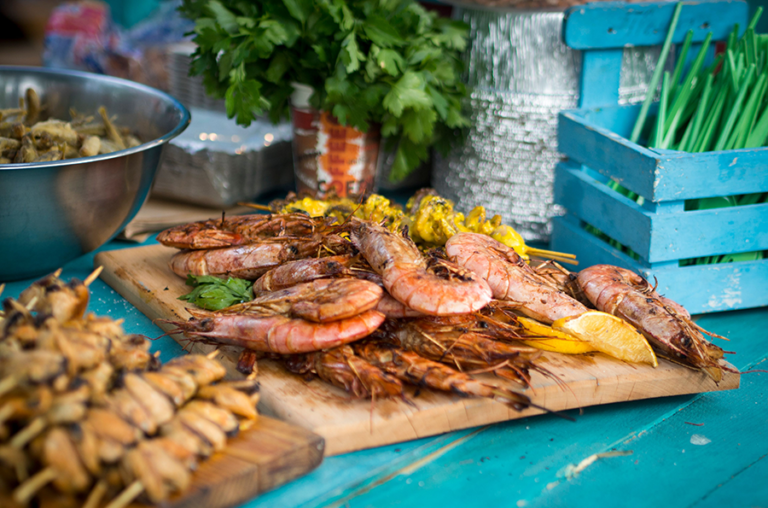

If there’s one thing I wish more people in Tampa Bay realized, it’s this:
You don’t need a restaurant to eat incredible seafood.
You’re living right next to some of the best waters in the country. The fish is fresh. The variety is there. The flavor is already built in.
And yet, a lot of people still treat seafood like it’s complicated. Something better left to chefs.
It’s not.
In fact, the better the seafood, the less you should do to it.
Fresh Changes Everything
Let’s start here, because it matters more than anything else:
Fresh seafood cooks differently.
It smells clean—not “fishy.”
It feels firm, not soft.
It tastes like the water it came from, not the kitchen it was cooked in.
Around Tampa Bay, you’ve got access to grouper, snapper, shrimp, and seasonal catches that are good enough to stand on their own.
Which means your job isn’t to transform them.
It’s to not mess them up.
Stop Overthinking It
Most people make seafood harder than it needs to be.
Too many ingredients. Too much seasoning. Too much time on the heat.
If the fish is good, you can do three things and be done:
- Salt
- Citrus
- Heat
That’s it.
A piece of fresh grouper with a little olive oil, sea salt, and lemon—cooked properly—is better than 90% of what people try to “build” with complicated recipes.
Learn One Technique Well
If you want to get good at cooking seafood, don’t learn ten recipes.
Learn one method.
For most people, that method should be:
Hot pan, quick cook.
- Heat a pan until it’s actually hot
- Add a little oil
- Lay the fish down and leave it alone
- Flip once
- Take it off before you think it’s ready
That last part is key.
Seafood keeps cooking after you remove it from heat. Most overcooked fish is just fish that stayed on the stove a minute too long.
Shrimp: The Easiest Win
If you want confidence quickly, start with shrimp.
They cook fast. They’re forgiving. And they take on flavor easily.
A quick sauté with garlic, olive oil, a splash of white wine, and a squeeze of lemon is about as reliable as it gets.
Serve it over something simple—rice, pasta, or even just with good bread—and you’ve got a meal that feels like you tried harder than you did.
Let the Sides Stay Simple
One of the mistakes I see all the time is overcomplicating the entire plate.
If your main ingredient is fresh seafood, everything else should support it—not compete with it.
In Tampa Bay, you’ve got access to incredible produce:
- Tomatoes that actually taste like tomatoes
- Citrus that brightens everything
- Fresh herbs that don’t need much help
A simple salad. Grilled vegetables. Maybe some roasted potatoes.
That’s all you need.
Wine Should Feel Easy
Seafood and wine get overcomplicated in the same way.
You don’t need to memorize pairings. You just need to think in terms of weight and freshness.
Light, clean dishes → light, crisp wines.
A cold Sauvignon Blanc with grilled fish.
A Pinot Grigio with shrimp and citrus.
A dry rosé on a warm evening when dinner stretches outside a little longer than planned.
You’re not trying to impress anyone. You’re trying to enjoy the meal.
The Real Difference Is the Setting
Here’s something most recipes won’t tell you:
Where you eat matters just as much as what you cook.
A simple meal indoors feels like dinner.
The same meal outside—on a patio, with a breeze, maybe a fan turning overhead—feels like an experience.
That’s one of the advantages of living here.
In Tampa Bay, you don’t need a special occasion to eat well. You just need to step outside.
This Is What Coastal Cooking Is Supposed to Be
At its best, cooking seafood isn’t about technique or complexity.
It’s about restraint.
Knowing when to stop. Knowing when something is already good enough.
Fresh fish. Simple preparation. A glass of wine. Maybe a few people around the table.
That’s the whole thing.
And once you start cooking this way, you realize something:
You don’t need to go out nearly as often as you thought.
Because the best meals you’re going to have might end up being the ones you make yourself.