The Taste of Summer: Why Tampa Bay Is at Its Best Right Now
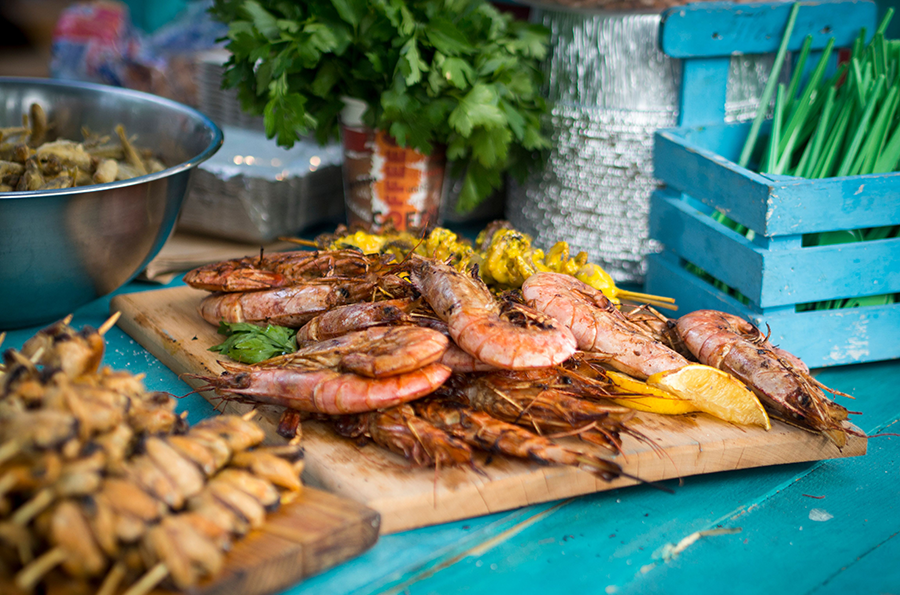
There’s something special about dining in Tampa Bay this time of year By the Food, Wine & Entertaining Editor As the days stretch longer and evening temperatures begin to soften just enough for waterfront dinners and backyard gatherings, local markets fill with colorful produce, Gulf seafood reaches its seasonal peak, and home cooks rediscover the simple pleasure of sharing a meal outdoors. Summer entertaining doesn’t have to be elaborate. In fact, the best hosts know that fresh ingredients and thoughtful preparation often make the strongest impression. Let Florida’s Farms Do the Work Florida’s growing season is different from much of the country, and that’s good news for anyone who loves cooking with fresh ingredients. Throughout the region, Tampa Bay farmers markets feature juicy tomatoes, sweet corn, watermelon, peaches from North Florida, peppers, cucumbers, herbs, and tropical fruits that rarely travel well enough to appear in supermarket displays. Instead of planning a complicated menu, consider building dinner around what’s freshest this week. A platter of grilled vegetables, fresh Gulf shrimp, artisan bread, locally made cheeses, and seasonal fruit creates a table that feels abundant without requiring hours in the kitchen. Better yet, guests notice freshness. Gulf Seafood Shines Ask almost any local chef what defines Florida summer dining, and seafood quickly enters the conversation. Fresh grouper, snapper, mahi, stone crab when in season, shrimp, oysters, and blue crab all find their way onto menus throughout the Tampa Bay area. The preparation is often surprisingly simple—olive oil, citrus, fresh herbs, and a hot grill are frequently all that’s needed. The emphasis isn’t on hiding the flavor. It’s on letting exceptional ingredients speak for themselves. Pair grilled fish with roasted corn salad, citrus slaw, or heirloom tomatoes, and dinner practically creates itself. Summer Wines Worth Discovering Warm weather calls for wines with bright acidity and refreshing character. A crisp Sauvignon Blanc remains one of the easiest crowd-pleasers, offering citrus notes that complement seafood beautifully. Dry rosé continues to earn its place on Florida tables, pairing equally well with grilled chicken, salads, charcuterie, and lighter pasta dishes. For those who prefer red wine, look for lighter-bodied options served just slightly chilled. Pinot Noir, and many Italian reds become surprisingly refreshing during summer evenings. And don’t overlook sparkling wine. Whether it’s Champagne, Cava, Prosecco, or an American sparkling wine, bubbles instantly elevate an ordinary gathering into something that feels celebratory. Entertaining Doesn’t Need Perfection Social media has convinced many people that entertaining requires magazine-worthy tablescapes and restaurant-quality meals. Fortunately, real guests aren’t looking for perfection. They’re looking for connection. Fresh flowers from the local market, linen napkins, candlelight, and a playlist set the mood far more effectively than expensive decorations. Serve one signature cocktail. Offer one memorable dessert. Give guests room to linger after dinner instead of rushing through the evening. Those are often the gatherings people remember most. Explore Tampa Bay One Bite at a Time One of the joys of living in the Tampa Bay region is the incredible diversity of its food scene. An afternoon might begin with browsing a neighborhood farmers market before stopping for Cuban coffee, continue with fresh seafood overlooking the water, and end with handcrafted ice cream or cocktails at a rooftop lounge. Each neighborhood offers its own culinary personality. Rather than returning to familiar favorites every weekend, challenge yourself to explore one new restaurant, bakery, winery event, or specialty food shop each month. You’ll not only discover remarkable food—you’ll meet the people whose passion helps shape the region’s growing culinary identity. After all, great meals aren’t measured only by what’s on the plate. They’re measured by the conversations they inspire, the memories they create, and the people fortunate enough to gather around the table.
Living Well in Motion: The Daily Rhythm of Tampa Bay

Step into relaxation There’s a certain rhythm to life in Tampa Bay that you don’t notice right away. It’s not loud. It’s not structured. It doesn’t announce itself. But if you pay attention—even for a few days—you begin to feel it. Morning light stretching across Bayshore Boulevard.Midday movement along the Tampa Riverwalk.Evenings that drift toward the waterfront in St. Petersburg. It’s a rhythm built around movement, connection, and just enough space to enjoy both. And for many people after 50, it becomes something more than a backdrop. It becomes a way of living. Mornings That Start With Intention In many parts of the country, mornings are rushed. Here, they tend to open more gradually. You see it early—people walking along Bayshore, coffee in hand, the bay just starting to reflect the day’s light. Others gather along the Riverwalk, moving at their own pace, not because they have to, but because it’s part of how the day begins. This isn’t exercise in the traditional sense. It’s something closer to ritual. And over time, those small rituals shape how people feel—not just physically, but mentally. There’s clarity in starting the day this way. A sense that you’re participating in it, rather than reacting to it. Midday That Stays Engaged One of the things that stands out about Tampa Bay is how active the middle of the day remains. In downtown Tampa, the Riverwalk doesn’t empty after the morning crowd—it evolves. People move between cafes, waterfront spaces, and shaded areas that invite you to stay a little longer. Across the bay, in places like Beach Drive, the day stretches naturally into lunch, conversation, and unplanned moments. This is where lifestyle begins to shift. Instead of compressing everything into evenings and weekends, people begin to spread life out across the day. A walk becomes a meeting. Lunch becomes an experience. Time becomes something you use more intentionally. The Pull of the Water It’s hard to overstate how much the water influences life here. Whether it’s the open bay, the beaches of Pinellas County, or smaller waterfront parks tucked into neighborhoods, there’s a constant draw toward it. You see it in how people plan their time: Late afternoon walks near the water.Evening dinners with a view.Weekends that quietly drift toward the coast without much planning at all. There’s something about being near the water that changes your pace. Conversations last longer. Meals stretch. The day doesn’t feel rushed. And that shift—subtle as it is—has a real impact on how life feels. Evenings That Don’t Feel Rushed In many places, evenings are the only time life happens. Here, they feel like a continuation. As the heat softens and the light fades, people move outside again. Patios fill. Outdoor tables become the center of conversation. A quick dinner becomes something you don’t quite want to end. In St. Petersburg, Beach Drive becomes a natural gathering point. In Tampa, the Riverwalk takes on a different energy—less movement, more presence. There’s no urgency to it. And that lack of urgency is part of what makes it feel different. The Social Layer What ties all of this together is connection. Not forced. Not scheduled. But built into the environment. Fitness groups that meet regularly. Informal gatherings that become routine. Familiar faces that turn into friendships over time. It’s one of the quieter advantages of living in a place like Tampa Bay. You don’t have to work as hard to stay connected. The environment does some of that work for you. Living Well Isn’t a Big Decision One of the misconceptions about living well is that it requires a major change. A move. A reinvention. A complete reset. But more often, it’s built through smaller shifts: Starting the day outside instead of inside.Choosing movement over convenience.Letting time open up instead of filling it immediately. Tampa Bay doesn’t force those choices—but it makes them easier. A Different Kind of Wealth At some point, the definition of a good life begins to change. It becomes less about accumulation and more about experience. Time spent well.Days that feel balanced.Moments that don’t need to be rushed through. In Tampa Bay, that kind of life isn’t something you have to chase. It’s already happening around you. You just have to step into it.
How to Host a Dinner Party People Actually Enjoy

There’s a moment that happens at most dinner parties. You’ve seen it. The host disappears into the kitchen. The food becomes the focus. Everything tightens up just a little. Timing matters. Presentation matters. Stress creeps in. And meanwhile, the whole point—the people—gets pushed to the side. Here’s the truth: The best dinner parties are never about the food alone. They’re about how the evening feels. And if you get that right, everything else falls into place. Start With the Right Goal If your goal is to impress people, you’ll make it harder than it needs to be. If your goal is to create a great evening, you’ll make better decisions. That means: The people who host the best dinners understand this instinctively. They’re not trying to prove anything. They’re trying to bring people together. Build the Menu Around One Thing This is the easiest way to simplify everything. Pick one thing you want to do well—and build the meal around it. In Tampa Bay, that’s often seafood. Grilled grouper.A shrimp dish that comes together in minutes.Even a simple fish you can cook in one pan and serve family-style. Once that’s decided, everything else becomes easier: That’s a complete meal. You don’t need five courses. You need one that works. Shop Like a Local If you want your dinner to feel special, don’t over-plan it—shop better. Hit a local market. See what looks good that day. Fresh fish. Seasonal produce. Something that catches your eye. When ingredients are fresh, the menu almost builds itself. That’s one of the advantages of being in Tampa Bay. You’re not working with limitations—you’re choosing from abundance. Do the Work Before People Arrive This might be the most important rule of all. If you’re still cooking heavily after your guests arrive, you’ve already lost a bit of the night. Prep ahead. Chop what needs to be chopped.Set the table.Have everything ready to go. So when people walk in, you’re not finishing—you’re hosting. And that changes the entire tone of the evening. Set the Space, Not Just the Table People remember how a place feels more than what was served. Soft lighting.Music in the background.A table that invites people to sit, not just eat. In Tampa Bay, if you have the option, take it outside. A patio, a lanai, even a simple setup with a fan moving the air—it immediately relaxes everything. Dinner doesn’t feel formal. It feels like something you want to stay in. Wine Should Be Part of the Flow Don’t overthink this. Pick wines that are easy to drink and easy to share. A chilled white.A rosé that works with almost anything.Maybe a light red if the meal leans that direction. Open the bottles early. Let people pour. Keep it casual. The best dinners don’t revolve around wine—they move with it. Let the Night Breathe Here’s where most people rush. They move from course to course. They clear too quickly. They try to keep things “on track.” You don’t need a track. Let people sit. Let conversation stretch. Let the table stay a little messy. That’s when a dinner shifts from good to memorable. The Secret Most People Miss People won’t remember exactly what you served. They’ll remember: Who they sat next to.What they talked about.How long they stayed. And whether the night felt easy. That’s the real job of a host. Why This Works So Well Here Tampa Bay is built for this kind of entertaining. The weather supports it.The food supports it.The lifestyle encourages it. You don’t need a reason to have people over. A good meal, a few bottles of wine, and a comfortable place to sit—that’s enough. The Bottom Line If you take anything from this, let it be this: Make it easier than you think it should be. Better ingredients. Simpler food. More presence. Because the best dinner parties don’t feel like events. They feel like something you don’t want to end.
The Energy Problem No One Talks About After 50
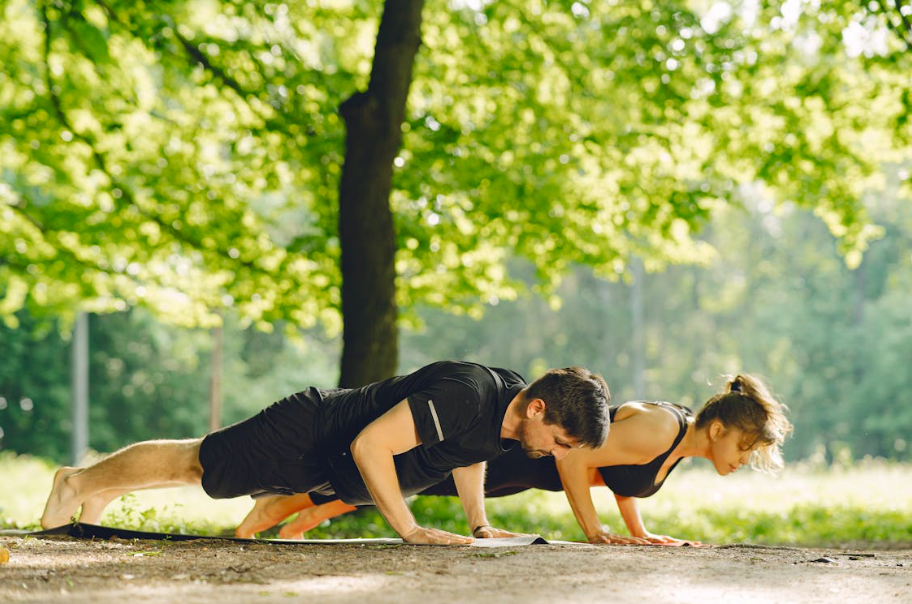
Most people don’t say it out loud. They’ll talk about getting older. They’ll talk about slowing down. They’ll even joke about it. But what they’re really feeling is something else: They’re tired. Not exhausted in a dramatic way. Just… lower. Less energy in the morning. Less motivation to move. Less drive to do things they used to do without thinking. And because it happens gradually, it’s easy to assume it’s just part of aging. It isn’t. The Slow Drift Energy doesn’t disappear overnight. It drifts. A little less movement. Slightly worse sleep. More time sitting. Less intentional eating. Individually, none of it feels significant. Together, it changes how your body operates. You don’t feel as strong. You don’t recover as quickly. You start choosing convenience over effort—not because you want to, but because it feels easier. That’s the turning point most people miss. What Most People Get Wrong If there’s one thing I wish more people understood, it’s this: Energy is not something you have. It’s something you create. And the inputs are surprisingly simple. Movement. Strength. Sleep. Nutrition. Not extremes. Not complicated systems. Just consistency in the fundamentals. The problem is, most people wait until they feel better to start doing those things. It works the other way around. Strength Changes Everything If you’re over 50 and you’re not doing some form of resistance training, you’re making life harder than it needs to be. That’s not an opinion. It’s a pattern. Strength training improves: And perhaps most importantly—it changes how your body feels day to day. You don’t need a gym obsession. You need a baseline. Two or three sessions a week is enough to create meaningful change. Movement Is Non-Negotiable This is where Tampa Bay gives you an advantage. You have access to year-round movement: Morning walks along Bayshore.Beach walks in the evening.Cycling, swimming, golf. The barrier isn’t opportunity. It’s decision. Daily movement doesn’t have to be intense. But it does have to be consistent. If you move every day, your body responds. If you don’t, it adapts in the other direction. Sleep Is the Multiplier Most people underestimate how much sleep affects everything else. Energy. Mood. Recovery. Appetite. If sleep is off, everything feels harder. The goal isn’t perfection—it’s consistency. Going to bed at roughly the same time. Reducing late-night stimulation. Creating an environment where your body can actually recover. You don’t notice great sleep immediately. But you definitely notice the lack of it. Food Should Work For You Nutrition doesn’t need to be extreme to be effective. What matters most is: If your meals are leaving you tired instead of energized, something needs to change. And usually, the solution is simpler than people expect. Momentum Is the Goal Here’s what I tell people all the time: You don’t need to overhaul your life. You need to build momentum. Start small. Walk every day.Lift a little.Eat better more often than not.Go to bed earlier than you think you need to. Do that consistently, and things start to shift. Energy improves. Motivation follows. And suddenly, the things that felt difficult begin to feel normal again. This Is the Real Opportunity Your 50s and 60s aren’t a decline phase. They’re a decision phase. You can drift—and accept whatever comes with that. Or you can be intentional—and shape how you feel for the next 20–30 years. In a place like Tampa Bay, where the environment supports an active, engaged lifestyle, the opportunity is right in front of you. But it doesn’t happen automatically. It happens when you decide to take control of it. And once you do, you realize something most people never do: Feeling better is not out of reach. It’s just waiting on your habits.
The Homes People Actually Want After 50 (And Why They’re Changing)
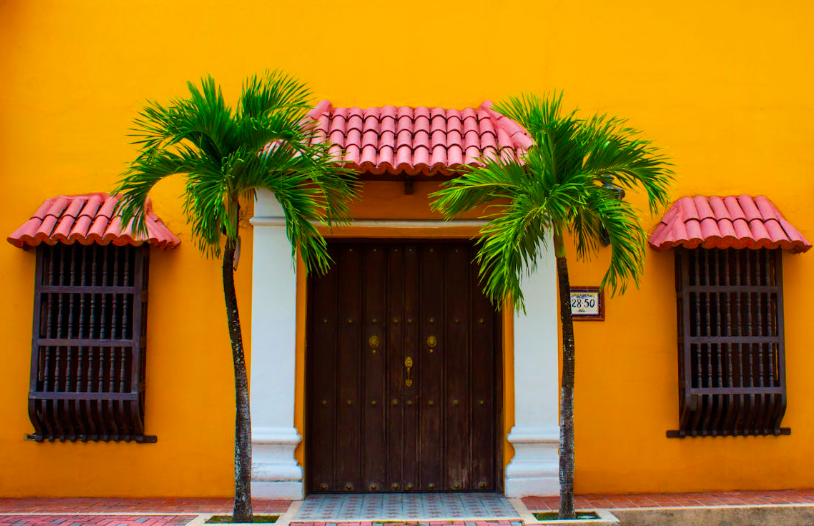
At some point, the way you think about your home begins to shift. It’s subtle at first. Rooms you rarely use start to feel unnecessary. Maintenance feels more like a chore than a point of pride. Spaces that once made sense no longer quite fit the way you live. And then, almost without realizing it, the question changes: Does this home still serve me—or am I serving it? For many people after 50, that question leads to a quiet but meaningful redesign of what “home” should be. The Move Toward Simplicity There’s a reason downsizing has become such a common conversation—and it’s not just about square footage. It’s about friction. Too many rooms to manage. Too much upkeep. Too many things that require attention but don’t add much to daily life. What people are really looking for is simplicity. Not minimalism in the strict sense, but a home that feels easier to live in. That might mean fewer rooms, but better ones. Less space, but more intention. The End of “Formal” Living One of the clearest shifts is the disappearance of formal spaces. Formal dining rooms. Formal living rooms. Rooms that look nice but rarely get used. They’re being replaced by spaces that actually support how people live now—open kitchens, comfortable living areas, and spaces that invite use rather than just appearance. In Tampa Bay, this often extends outdoors. A well-designed patio or lanai frequently becomes more valuable than an extra indoor room that sits empty most of the year. Flow Matters More Than Size What people want now isn’t necessarily a bigger home—it’s a better one. Flow has become more important than square footage. How easily can you move through the space?Do the rooms connect naturally?Does the home feel open without feeling exposed? In coastal environments like Tampa Bay, this often translates into open layouts, large sliding doors, and a strong connection between indoor and outdoor spaces. When it works well, the home feels less like a series of rooms and more like a continuous experience. Light Changes Everything If there’s one element that consistently transforms a home, it’s light. Natural light, in particular, has a way of making spaces feel larger, calmer, and more livable. Homes that once felt perfectly fine can start to feel closed-in over time, especially when compared to brighter, more open environments. That’s one reason homes with large windows, higher ceilings, and open exposure have become so desirable—particularly in Florida, where sunlight is part of everyday life. Comfort Over Show Another shift is the move away from impressing others toward creating personal comfort. Earlier in life, homes are often designed with a certain level of presentation in mind. How it looks to guests. How it compares. After 50, that tends to fade. The focus becomes: Is it comfortable?Is it easy?Do I enjoy being here? That might mean better furniture instead of more furniture. Softer lighting. Materials that feel good rather than just look good. Designing for the Future—Without Feeling Like It There’s also a practical layer that begins to influence decisions. Wider hallways. Fewer stairs. Walk-in showers. First-floor living. These features are often associated with aging, but the best designs incorporate them so seamlessly that they simply feel like good design. A home that’s easier to live in now also happens to be one that works well later. The Tampa Bay Factor Location plays a role in all of this. In Tampa Bay, homes are shaped by climate and lifestyle in ways that naturally support these trends. Outdoor living isn’t optional—it’s expected. Covered patios, ceiling fans, shaded seating areas, and outdoor kitchens become extensions of the home. Materials need to handle humidity and heat. Layouts need to allow airflow. Spaces need to feel comfortable year-round. The result is a style of living that’s both relaxed and intentional. A Home That Works With You Ultimately, the shift isn’t about downsizing or upgrading—it’s about alignment. A home that fits your life.A space that supports how you actually live.An environment that feels good, not just looks good. For many people, this becomes one of the most meaningful changes they make in this stage of life. Because when a home truly works, you feel it every day. And once you experience that, it’s very hard to go back.
The Biggest Retirement Mistakes People Make—And How to Avoid Them

By the time most people reach their 50s, they’ve done a lot of things right financially. They’ve worked. They’ve saved. They’ve invested. They’ve made decisions—some good, some less so—but overall, they’ve built something. And yet, this is also the stage where small missteps can have outsized consequences. Not because people are careless. But because the rules change—and many don’t realize it. What worked in your 30s and 40s doesn’t always work now. Mistake #1: Thinking “More” Is the Goal For years, financial progress is measured by accumulation. More savings.More investments.More growth. But after 50, the objective shifts. The real goal is not maximizing what you have—it’s making what you have work. That means understanding: People who continue to chase growth without thinking about structure often end up with portfolios that look impressive—but don’t function well when it’s time to use them. Mistake #2: Not Having a Clear Income Strategy This is the most common—and most expensive—mistake. Many people approach retirement with a collection of accounts but no clear plan for how those accounts will generate income. They assume they’ll “figure it out later.” Later tends to come quickly. A sound income strategy answers a few critical questions: Without a plan, withdrawals can become inefficient, unpredictable, and unnecessarily costly. Mistake #3: Underestimating Healthcare and Insurance Costs Healthcare is one of the few expenses that tends to increase with age—and it’s often underestimated. Even with Medicare, out-of-pocket costs, supplemental insurance, and long-term care needs can add up over time. In Florida, another factor enters the equation: insurance. Homeowners insurance, particularly in coastal areas like Tampa Bay, has become a meaningful line item in many budgets. Ignoring it—or assuming it will remain stable—can create surprises later. Planning for these costs doesn’t require pessimism. It requires realism. Mistake #4: Letting Old Decisions Carry Forward Financial decisions have a way of lingering. An investment strategy that made sense 15 years ago may no longer fit your current goals. Insurance policies may be outdated. Account structures may be inefficient. But because nothing is obviously broken, many people leave things as they are. This is where experienced planning makes a difference. After 50, it’s not just about what you have—it’s about whether everything is still aligned with where you’re going. Mistake #5: Ignoring the Impact of Where You Live Lifestyle decisions and financial decisions are deeply connected—especially at this stage. In Tampa Bay, that connection is easy to see. It’s a region that encourages: None of these are problems. They’re part of the appeal. But they do shape spending patterns in ways that need to be accounted for. The mistake isn’t enjoying these things. It’s failing to build a plan that supports them. Mistake #6: Waiting Too Long to Get Organized There’s a tendency to delay financial clarity. “I’ll get to it next year.”“I’ll deal with it when I retire.” But the closer you get to retirement, the more valuable clarity becomes. The people who feel the most confident about their financial future aren’t necessarily the ones with the most—they’re the ones who understand what they have and how it works. Organization leads to insight. Insight leads to better decisions. What the Right Approach Looks Like Avoiding these mistakes doesn’t require perfection. It requires intention. A strong plan at this stage typically includes: And perhaps most importantly, it includes the ability to adjust. Because no plan remains static—and the best ones are designed to evolve. The Advantage of This Stage There is one thing people often underestimate about their 50s and early 60s: It’s a powerful window. You still have time to make adjustments.You still have earning potential.You still have flexibility. Decisions made during this period can significantly shape the decades that follow. Handled well, this stage becomes less about risk—and more about refinement. The Bottom Line Most retirement mistakes aren’t dramatic. They’re subtle.They build slowly.And they often go unnoticed until they matter. But they are also avoidable. With clarity, intention, and a willingness to revisit old assumptions, it’s entirely possible to move into the next stage of life with confidence—not just in what you’ve built, but in how well it supports the life you want to live. And that, more than anything, is what good planning is meant to deliver.
Finding Purpose and Community in Tampa Bay

Say Yes to Trying Something New There comes a point in life when the question shifts. For years, it may have been about building—careers, families, responsibilities, routines. But eventually, a quieter and more meaningful question begins to take shape: What now? For many adults in their 50s and beyond, this stage is less about obligation and more about intention. It’s about choosing how to spend your time, who to spend it with, and what gives your life a sense of purpose. In the Tampa Bay region, that question often has a rich set of answers. A Place That Invites Participation There are places where life feels passive, and then there are places that quietly invite you to step in and be part of something. Tampa Bay is the latter. Across the region, from the neighborhoods of South Tampa to the waterfront parks of St. Petersburg, there is a constant sense of activity—not rushed, but alive. Morning walkers along Bayshore Boulevard, community events in local parks, small gatherings at neighborhood cafés, volunteer groups meeting with purpose. It’s the kind of environment that makes it easier to say yes. Yes to joining something.Yes to trying something new.Yes to becoming part of a community again, in a deeper and more intentional way. Purpose Doesn’t Retire One of the most common misconceptions about this stage of life is that purpose fades once careers slow down. In reality, the opposite often happens. Without the structure of a full-time career, many people find themselves with the freedom to pursue things that feel more personally meaningful. Volunteering, mentoring, community leadership, creative work—these pursuits begin to take center stage. Tampa Bay offers countless pathways for this kind of engagement. Nonprofit organizations, community initiatives, and local causes provide opportunities to contribute in ways that feel tangible and rewarding. The result is a different kind of fulfillment—one rooted not in obligation, but in choice. The Social Side of Living Well Equally important is connection. Strong social relationships are one of the most consistent predictors of long-term happiness and well-being. And yet, building those connections later in life can sometimes feel more challenging than it once did. That’s where environment matters. In Tampa Bay, social opportunities are often woven into everyday life. Fitness classes, hobby groups, waterfront gatherings, and cultural events all create natural ways to meet people without forcing the process. Over time, these small interactions tend to build into something larger—a sense of familiarity, belonging, and community. Reconnecting With Interests There is also something powerful about returning to interests that may have been set aside years earlier. Painting. Writing. Music. Gardening. Sailing. Cooking. Learning. These aren’t just hobbies—they are ways of reconnecting with parts of yourself that may have been dormant. In a region like Tampa Bay, where the pace of life allows for exploration, many people find themselves rediscovering these passions in a meaningful way. And often, those personal pursuits lead to something more—new friendships, shared experiences, and a renewed sense of identity. A Different Kind of Success Perhaps the most important shift that happens in this stage of life is how success is defined. It becomes less about achievement and more about alignment. Are you spending your time in ways that feel meaningful?Are you connected to people who matter to you?Are you engaged with the world around you? In Tampa Bay, where lifestyle and environment naturally encourage engagement, many people find that the answer to those questions begins to change. Living With Intention Purpose and community are not things that simply appear. They are built—gradually, intentionally, and often in small ways. A conversation.A commitment.A willingness to step outside of routine. Over time, those choices begin to shape something larger: a life that feels connected, meaningful, and fully lived. And in a place like Tampa Bay, that kind of life is not only possible—it’s waiting to be created.
Strength Training After 50: Why It Matters More Than Ever
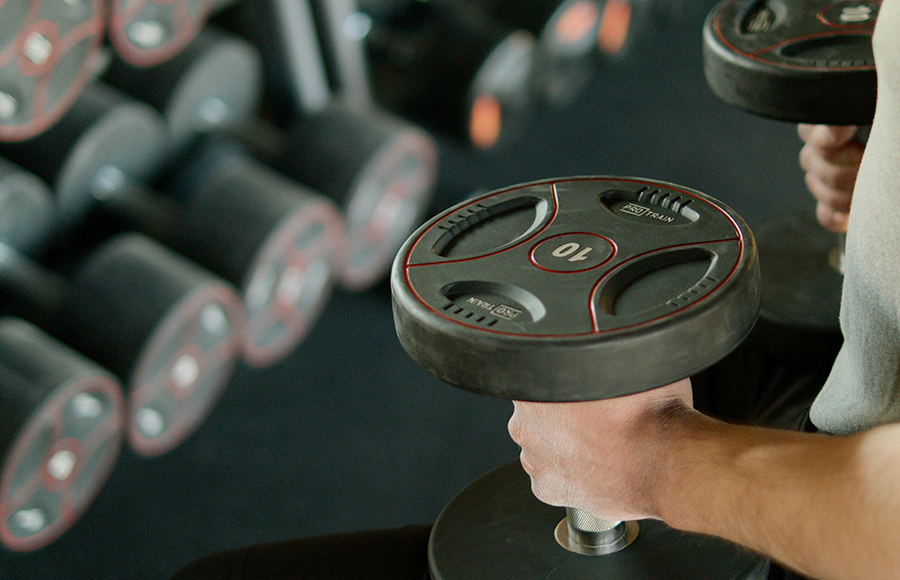
Invest In The Future You For many years, exercise advice for older adults focused primarily on gentle activities such as walking, stretching, or light aerobic movement. While these forms of exercise remain valuable, modern research has revealed something even more important for healthy aging: maintaining muscle strength. Strength training—sometimes called resistance training—has become one of the most recommended forms of exercise for adults over 50. Far from being reserved for athletes or bodybuilders, it is now widely recognized as a powerful tool for supporting longevity, mobility, and overall quality of life. In active communities like Tampa Bay, where year-round outdoor recreation and wellness culture are part of everyday life, strength training is increasingly becoming a key component of healthy aging. The Hidden Cost of Muscle Loss One of the natural processes associated with aging is a gradual loss of muscle mass, known as sarcopenia. Beginning as early as the 30s and accelerating after the age of 50, this process can lead to reduced strength, slower metabolism, and decreased stability. Without intentional effort to maintain muscle, people may begin to notice changes in everyday activities—climbing stairs becomes more difficult, lifting objects requires more effort, and balance may decline. Strength training directly addresses this process by stimulating muscles to remain active and resilient. Even modest resistance exercises performed consistently can slow or reverse many of the effects associated with muscle loss. Strength and Longevity Research continues to demonstrate that maintaining muscle strength is closely linked to long-term health and longevity. Stronger muscles help support joints, improve posture, and reduce the risk of falls—one of the leading causes of injury among older adults. Resistance training also improves bone density, which is critical for preventing fractures later in life. Beyond the musculoskeletal system, strength training has been shown to support heart health, improve insulin sensitivity, and assist with weight management. These benefits make resistance exercise one of the most effective ways to maintain vitality as people age. A Metabolic Advantage Another benefit of maintaining muscle mass is its impact on metabolism. Muscle tissue requires more energy to maintain than fat tissue. As muscle mass decreases, the body naturally burns fewer calories at rest, which can make weight management more challenging over time. Strength training helps counter this effect by preserving lean muscle mass. Even two or three resistance sessions per week can significantly improve metabolic efficiency. For adults over 50, this can translate into better energy levels and greater ability to maintain a healthy body composition. Functional Strength for Everyday Life Perhaps the most practical benefit of strength training is its impact on daily activities. Functional strength—the ability to move comfortably through everyday tasks—is closely tied to muscle health. Exercises that strengthen the legs, hips, core, and upper body support movements such as standing up from a chair, carrying groceries, or climbing stairs. Maintaining this type of strength allows people to remain independent and active for longer periods of time. In lifestyle-focused communities like those found throughout Tampa Bay, where outdoor activity and social engagement are common, maintaining mobility is a key part of enjoying the region’s lifestyle. Getting Started Safely For those new to strength training, the idea of lifting weights may feel intimidating. However, resistance exercise does not require heavy weights or complex equipment. Many effective exercises use simple tools such as resistance bands, light dumbbells, or even body weight. Movements such as squats, lunges, push-ups, and rows can be adapted to suit a wide range of fitness levels. The most important principle is consistency. Gradually increasing resistance over time allows muscles to adapt and grow stronger without unnecessary strain. Starting slowly and focusing on proper technique can help build confidence and reduce the risk of injury. The Role of Recovery As with any form of exercise, recovery plays an important role in strength training. Muscles actually rebuild and strengthen during periods of rest following exercise. Allowing adequate time between workouts ensures that the body can recover properly. Stretching, hydration, and balanced nutrition all contribute to effective recovery and long-term progress. Many people find that incorporating two or three strength sessions per week alongside other activities such as walking, swimming, or cycling provides a balanced and sustainable approach to fitness. Strength as a Lifestyle One of the most encouraging aspects of strength training is that its benefits can be realized at any age. Studies have shown that individuals in their 60s, 70s, and even 80s can experience significant improvements in strength, balance, and mobility when they begin resistance exercise. Rather than focusing on athletic performance, the goal becomes building a lifestyle that supports long-term health and independence. For residents of the Tampa Bay region, where opportunities for recreation, wellness programs, and active living are abundant, incorporating strength training into daily life can become a natural extension of the coastal lifestyle. Investing in Long-Term Vitality Maintaining strength after 50 is not about achieving a particular appearance or reaching extreme fitness goals. It is about preserving the ability to live actively and comfortably for decades to come. By supporting muscle health, improving balance, and enhancing metabolic function, strength training provides a foundation for long-term vitality. For many people, it becomes one of the most valuable investments they can make in their future health—ensuring that the years ahead remain filled with energy, movement, and opportunity.
Designing a Life That Feels Rich After 50 in Tampa Bay

What does living well look like in 2026? For many people, turning 50 marks a shift in priorities. The years of building careers, raising families, and managing daily responsibilities often give way to a new question: what does a fulfilling life look like in the decades ahead? In places like the Tampa Bay region, where warm weather, coastal scenery, and a vibrant cultural landscape intersect, the answer often centers on experiences, community, and purposeful living. Rather than slowing down, many adults in their 50s and beyond are redefining what it means to live well. Redefining What “Rich” Really Means When people talk about a rich life, they are increasingly referring to something deeper than financial success. A rich life tends to include strong relationships, meaningful experiences, intellectual curiosity, and a sense of personal growth. For adults entering the second half of life, this often means investing time in things that were once pushed aside during busier years. Travel, hobbies, cultural exploration, volunteering, and wellness all begin to take on greater importance. The Tampa Bay area offers a particularly supportive environment for this shift. The region combines the amenities of a large metropolitan area with access to outdoor recreation, arts and culture, and waterfront living. The Power of Environment Where people live can play a major role in how they experience this stage of life. Tampa Bay has become an increasingly popular destination for adults seeking an active and engaging lifestyle after 50. The region’s waterfront parks, walking paths, and beaches encourage year-round outdoor activity. Neighborhoods throughout Tampa, St. Petersburg, and the surrounding communities offer a mix of historic districts, vibrant downtown areas, and coastal environments that make everyday life feel more connected to nature. Many residents find that simply having access to sunshine, water, and open space naturally encourages healthier habits and a more active lifestyle. Staying Curious and Engaged One of the defining characteristics of people who thrive later in life is curiosity. Learning new skills, exploring new interests, and staying mentally engaged all contribute to a sense of vitality. Across Tampa Bay, opportunities for intellectual and creative engagement are plentiful. Museums, performing arts venues, lectures, and educational programs provide ways to continue learning long after formal schooling ends. Creative pursuits also play a role in this stage of life. Many people rediscover artistic interests such as painting, writing, photography, or music after decades focused on work and family. The result is a lifestyle that continues to evolve rather than becoming predictable. Community Matters More Than Ever Another key ingredient in a fulfilling life after 50 is connection. Strong social networks contribute to both happiness and long-term health. Communities throughout Tampa Bay are known for their active social environments. Neighborhood associations, clubs, volunteer organizations, and civic groups provide countless opportunities to meet people and build meaningful friendships. Many residents find that this stage of life allows them to reconnect with the idea of community in a deeper way. With more control over their schedules, they are able to participate more fully in local events, charitable causes, and social gatherings. Health as a Lifestyle Living well after 50 increasingly involves a proactive approach to health. Rather than simply addressing health concerns as they arise, many adults are focusing on lifestyle habits that promote long-term vitality. Physical activity, balanced nutrition, stress management, and quality sleep all play a role in maintaining energy and well-being. Tampa Bay’s climate and outdoor culture make it easier to incorporate activities such as walking, cycling, paddleboarding, and golf into everyday life. Fitness centers, wellness studios, and outdoor recreation areas are abundant throughout the region, giving residents a wide range of ways to stay active. Experiences Over Possessions One of the most noticeable trends among adults over 50 is a shift toward experiences rather than material accumulation. Many people begin prioritizing travel, cultural events, dining, and social activities over acquiring more possessions. This mindset aligns naturally with the lifestyle available in Tampa Bay. From waterfront restaurants and local festivals to boating, beach days, and arts performances, the region offers countless ways to create memorable experiences. The focus becomes less about owning more things and more about enjoying the richness of everyday life. A New Chapter Perhaps the most important realization many people reach after 50 is that life is far from finished. In many ways, it is only entering a new and potentially rewarding chapter. With greater self-awareness, accumulated wisdom, and often more freedom to choose how time is spent, this stage of life can become one of exploration and fulfillment. For those living in Tampa Bay, the combination of natural beauty, cultural opportunity, and an active community environment provides an ideal backdrop for designing a life that truly feels rich.