

The Florida Retirement Reality Check

What Tampa Bay Residents Need to Plan for Now For years, Florida has been sold as a retirement dream. Warm weather. Waterfront living. No state income tax. Golf in January. And to be fair, a lot of that dream is real. But if you spend enough time talking to people who’ve actually built a life in the Tampa Bay area after 50, you start hearing a more nuanced version of the story. One that has less to do with fantasy and more to do with planning. Because while Florida can absolutely improve your lifestyle, it also changes your financial equation in ways many people don’t fully understand until they’re already here. The Tax Advantage Is Real Let’s start with the obvious one. Florida’s lack of a state income tax is a legitimate financial advantage—especially for retirees. Social Security income isn’t taxed at the state level. Neither are withdrawals from retirement accounts, pensions, or most investment income. For many households relocating from higher-tax states, that difference can be substantial over time. But here’s the mistake people make: They assume that because Florida is tax-friendly, it’s automatically inexpensive. That’s no longer true in many parts of the state—especially along the Gulf Coast. Tampa Bay Isn’t “Cheap Florida” Anymore Ten years ago, people moving to Tampa Bay often talked about affordability first. Today, they talk about lifestyle first. And that shift matters. Areas like St. Petersburg, Tampa, and many waterfront communities throughout Pinellas County have experienced major growth. Restaurants, cultural districts, luxury developments, and walkable neighborhoods have transformed parts of the region into highly desirable lifestyle markets. That’s great for quality of life. But it also means: The people who thrive financially here are usually the ones who planned for the real version of Florida—not the outdated one. Insurance Has Become a Major Line Item This is probably the single biggest financial shock for many Florida residents. Insurance. Homeowners insurance in coastal Florida has changed dramatically in recent years, particularly in areas vulnerable to hurricanes and flooding. For some homeowners, premiums have become one of the largest annual housing expenses they face. Flood insurance may also become part of the equation depending on location, even outside high-risk zones. This doesn’t mean waterfront or coastal living isn’t worth it. But it does mean buyers and retirees need to evaluate total housing costs—not just mortgage payments or property values. Lifestyle Inflation Is Real Here There’s another financial reality people rarely talk about: Florida is enjoyable. That sounds obvious, but it has real financial consequences. In Tampa Bay, people naturally tend to: Again, none of this is negative. In many ways, it’s the point. But lifestyle spending can quietly expand if it isn’t accounted for intentionally. A waterfront dinner here. A weekend getaway there. Tickets to a show in downtown St. Pete. It adds up faster than people expect. Healthcare Access Matters More Than Ever One of the advantages Tampa Bay does offer is access to strong healthcare systems. As people move deeper into their 50s, 60s, and beyond, proximity to quality healthcare becomes increasingly important—not just medically, but financially. Long drives, fragmented care, or limited access to specialists create both stress and expense over time. Many residents eventually realize that convenience and proximity are worth paying for. And that realization often shapes where they choose to live within the region. The New Florida Strategy The people handling retirement best in Florida today tend to approach it differently than previous generations. They’re not simply “retiring to the beach.” They’re building a sustainable lifestyle. That usually means: Most importantly, they’re planning around how they actually want to live—not just around numbers on paper. Why Tampa Bay Still Works Even with rising costs, there’s a reason so many people continue moving here. The lifestyle is difficult to replicate. Morning walks along Bayshore Boulevard. Outdoor dinners in downtown St. Petersburg. Year-round movement, waterfront living, and an active social environment. For many people, those things genuinely improve quality of life. And that’s important to remember. Financial planning isn’t just about minimizing expenses. It’s about supporting a life you actually enjoy living. The Bottom Line Florida can absolutely be a smart financial move after 50. But it works best when people approach it honestly. Not as a fantasy.Not as a bargain.But as a lifestyle decision with both opportunities and trade-offs. The residents who tend to feel the most confident financially in Tampa Bay aren’t necessarily the wealthiest. They’re the ones who understand the region clearly, plan intentionally, and build their finances around the reality of how they want to live here. And in the long run, that clarity matters more than almost anything else.
The Secret to Cooking Incredible Seafood at Home (It’s Simpler Than You Think)

If there’s one thing I wish more people in Tampa Bay realized, it’s this: You don’t need a restaurant to eat incredible seafood. You’re living right next to some of the best waters in the country. The fish is fresh. The variety is there. The flavor is already built in. And yet, a lot of people still treat seafood like it’s complicated. Something better left to chefs. It’s not. In fact, the better the seafood, the less you should do to it. Fresh Changes Everything Let’s start here, because it matters more than anything else: Fresh seafood cooks differently. It smells clean—not “fishy.”It feels firm, not soft.It tastes like the water it came from, not the kitchen it was cooked in. Around Tampa Bay, you’ve got access to grouper, snapper, shrimp, and seasonal catches that are good enough to stand on their own. Which means your job isn’t to transform them. It’s to not mess them up. Stop Overthinking It Most people make seafood harder than it needs to be. Too many ingredients. Too much seasoning. Too much time on the heat. If the fish is good, you can do three things and be done: That’s it. A piece of fresh grouper with a little olive oil, sea salt, and lemon—cooked properly—is better than 90% of what people try to “build” with complicated recipes. Learn One Technique Well If you want to get good at cooking seafood, don’t learn ten recipes. Learn one method. For most people, that method should be: Hot pan, quick cook. That last part is key. Seafood keeps cooking after you remove it from heat. Most overcooked fish is just fish that stayed on the stove a minute too long. Shrimp: The Easiest Win If you want confidence quickly, start with shrimp. They cook fast. They’re forgiving. And they take on flavor easily. A quick sauté with garlic, olive oil, a splash of white wine, and a squeeze of lemon is about as reliable as it gets. Serve it over something simple—rice, pasta, or even just with good bread—and you’ve got a meal that feels like you tried harder than you did. Let the Sides Stay Simple One of the mistakes I see all the time is overcomplicating the entire plate. If your main ingredient is fresh seafood, everything else should support it—not compete with it. In Tampa Bay, you’ve got access to incredible produce: A simple salad. Grilled vegetables. Maybe some roasted potatoes. That’s all you need. Wine Should Feel Easy Seafood and wine get overcomplicated in the same way. You don’t need to memorize pairings. You just need to think in terms of weight and freshness. Light, clean dishes → light, crisp wines. A cold Sauvignon Blanc with grilled fish.A Pinot Grigio with shrimp and citrus.A dry rosé on a warm evening when dinner stretches outside a little longer than planned. You’re not trying to impress anyone. You’re trying to enjoy the meal. The Real Difference Is the Setting Here’s something most recipes won’t tell you: Where you eat matters just as much as what you cook. A simple meal indoors feels like dinner. The same meal outside—on a patio, with a breeze, maybe a fan turning overhead—feels like an experience. That’s one of the advantages of living here. In Tampa Bay, you don’t need a special occasion to eat well. You just need to step outside. This Is What Coastal Cooking Is Supposed to Be At its best, cooking seafood isn’t about technique or complexity. It’s about restraint. Knowing when to stop. Knowing when something is already good enough. Fresh fish. Simple preparation. A glass of wine. Maybe a few people around the table. That’s the whole thing. And once you start cooking this way, you realize something: You don’t need to go out nearly as often as you thought. Because the best meals you’re going to have might end up being the ones you make yourself.
The Room You’ll Live In Most (And Why It’s No Longer Inside)
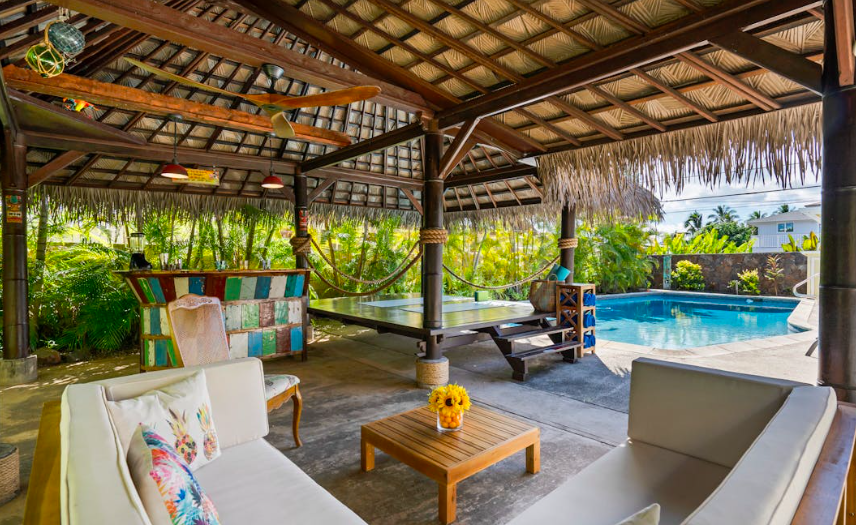
If you spend enough time in Tampa Bay, you start to notice something. The most important room in the house… isn’t always inside it. It’s the one just beyond the glass. The one with the ceiling fan turning slowly overhead. The one where the light changes throughout the day. The one where mornings begin quietly and evenings stretch a little longer than planned. Call it a patio. A lanai. A covered terrace. The name doesn’t matter. What matters is how it changes the way you live. The Shift You Don’t See Coming Most people don’t plan for this room to become the center of their home. It happens gradually. A cup of coffee outside turns into a morning routine. A casual dinner becomes something you prefer to eat outdoors. A quiet place to sit becomes where you end most evenings. And then one day, you realize: You’re living out here. Not occasionally—but regularly. Why It Works Here In many parts of the country, outdoor space is seasonal. In Tampa Bay, it’s foundational. The climate allows for a kind of everyday access to the outdoors that changes how homes function. You don’t need a special occasion to use the space. You don’t need to plan around it. It’s just there—available, comfortable, inviting. But not all outdoor spaces are equal. The ones that truly become part of daily life share a few things in common. It Starts With Shade The difference between a space you visit and a space you use comes down to comfort. And in Florida, comfort starts with shade. A covered structure—whether it’s a screened lanai, a deep overhang, or a pergola—turns outdoor space into something usable for hours, not minutes. Add a ceiling fan, and suddenly the air moves just enough to take the edge off the heat. That’s when the space begins to work. Then It Becomes a Room The next shift is subtle, but important. Furniture changes everything. Not plastic chairs or temporary seating—but real furniture. Cushioned seating. A table that invites you to sit down and stay awhile. Lighting that makes the space usable after the sun goes down. At that point, it stops feeling like “outside.” It starts feeling like another room. One you actually want to be in. The Kitchen Moves Out There In many Tampa Bay homes, the outdoor space doesn’t just support living—it supports entertaining. Grills evolve into full outdoor kitchens. Prep space expands. Refrigeration appears. What started as a place to cook occasionally becomes a place to gather. And something interesting happens when meals move outside: They slow down. There’s less urgency. More conversation. Fewer distractions. Dinner becomes less about eating and more about being together. The Light Does the Rest One of the things no interior designer can replicate is natural light. The way it shifts across a space throughout the day. The way it softens in the evening. The way it reflects off water, walls, and surrounding greenery. In Tampa Bay, where sunsets are part of the rhythm of life, this becomes one of the most valuable features of any home. A well-positioned outdoor space doesn’t just give you more room—it gives you better moments. Why This Matters More Now Earlier in life, homes tend to be organized around function. Bedrooms. Offices. Storage. Space for everything. After 50, priorities shift. The question becomes less about how much space you have and more about how that space feels. Where do you actually spend your time?Where do you feel most relaxed?Where do conversations happen naturally? More often than not, it’s outside. Designing for How You Live The mistake many homeowners make is treating outdoor space as secondary. An add-on. A bonus. Something to improve later. But in Tampa Bay, it’s often the opposite. The outdoor space isn’t extra—it’s essential. And when it’s designed intentionally, it becomes the most valuable square footage you have. A Different Kind of Living There’s a moment that happens in well-designed homes. You’re sitting outside. The air is warm but comfortable. There’s a drink on the table. The light is starting to change. And you realize you haven’t thought about anything else for a while. No distractions. No urgency. Just presence. That’s what this space creates. Not just better design—but a better way of living.
The Everyday Habits That Make Life Feel Rich

It Begins With Intention A fulfilling life is rarely built on big, dramatic moments. More often, it’s shaped by small, consistent habits—the things you do every day without much thought, but that quietly define how your life feels. After 50, those habits begin to matter even more. In a place like Tampa Bay, where the environment naturally supports an active and engaged lifestyle, many of these habits become easier to adopt—and more enjoyable to maintain. Starting the Day With Intention How a day begins often sets the tone for everything that follows. For some, it’s a walk along the water.For others, it’s coffee on the patio, a few quiet moments before the day unfolds. These small rituals create space—space to think, to plan, or simply to be present. Staying Physically Engaged Movement is one of the most important daily habits for long-term well-being. It doesn’t have to be intense. It just has to be consistent. Walking, cycling, swimming, golf—Tampa Bay offers endless ways to stay active without it feeling like a chore. Maintaining Social Rhythm Connection doesn’t happen by accident. It’s built into routine. Regular lunches, group activities, shared experiences—these create a rhythm of interaction that supports both mental and emotional health. Keeping Curiosity Alive A rich life is often a curious one. Trying new things, exploring new places, learning new ideas—these habits keep life feeling dynamic and engaging. Ending the Day Well Just as mornings matter, so do evenings. A shared meal. A glass of wine. A quiet moment outside. These are the moments that, over time, define how life feels.
Designing a Home for Coastal Living
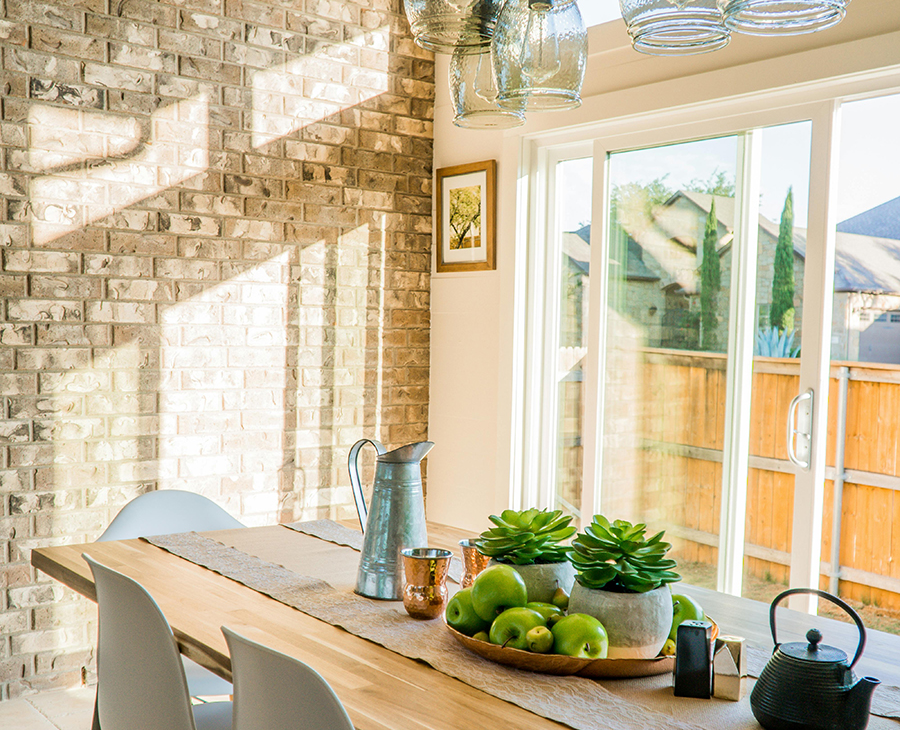
Bring the indoors outside, but respect the storms Living along Florida’s Gulf Coast offers a lifestyle that many people dream about. Warm weather, waterfront views, and year-round outdoor living create a unique environment that influences not only how people spend their time, but also how they design their homes. In the Tampa Bay region—where neighborhoods stretch from the historic streets of Tampa to the waterfront communities of St. Petersburg and the beaches of Pinellas County—home design often reflects a balance between comfort, functionality, and the relaxed coastal character that defines the area. For many homeowners, especially those entering their 50s and beyond, designing a home that embraces this lifestyle becomes an important part of creating a living environment that supports both enjoyment and long-term comfort. Indoor–Outdoor Living One of the most defining elements of coastal home design in Florida is the seamless connection between indoor and outdoor spaces. Unlike colder climates where outdoor living is limited by the seasons, Tampa Bay’s subtropical environment encourages people to extend their homes into patios, lanais, pools, and outdoor kitchens. Covered outdoor living areas have become particularly popular because they allow homeowners to enjoy fresh air and natural light while remaining protected from intense sun or sudden rain showers. Large sliding glass doors, screened enclosures, and shaded patios help blur the boundary between interior and exterior space. For many homeowners, these areas become the center of daily life—places for morning coffee, evening dinners, or simply relaxing in the coastal breeze. Materials That Withstand the Climate Florida’s climate presents unique challenges that influence the materials used in home construction and renovation. High humidity, salt air near the coast, and intense sun exposure require materials that are durable and resistant to wear. Tile flooring, natural stone, and engineered hardwood are common choices because they handle moisture better than traditional carpeting. Impact-resistant windows and reinforced roofing materials are also widely used to help protect homes during storm season. These practical considerations often shape the aesthetic of coastal homes as well, creating interiors that feel bright, airy, and easy to maintain. Light, Air, and Open Space Another hallmark of coastal design is the emphasis on natural light and open layouts. Homes in the Tampa Bay area frequently feature large windows, high ceilings, and open floor plans that allow sunlight to flow throughout the space. These design choices not only create a sense of spaciousness but also help keep interiors feeling cool and comfortable. Color palettes often reflect the surrounding environment. Soft blues, sandy neutrals, and crisp whites are common choices that echo the colors of the Gulf Coast while creating a calm and relaxing atmosphere inside the home. The result is a style that feels both elegant and informal—perfectly suited to Florida’s laid-back coastal lifestyle. Designing for Long-Term Comfort For homeowners entering the second half of life, design decisions increasingly focus on long-term comfort and practicality. Many people are choosing layouts that allow them to remain in their homes for decades to come. This might include features such as wider hallways, step-free entryways, walk-in showers, and first-floor primary bedrooms. These design elements do not change the beauty of a home, but they make everyday living easier and more adaptable over time. The concept of “aging in place” has become a major influence in home design across Florida, particularly among homeowners who plan to make the Tampa Bay area their long-term residence. Kitchens Designed for Gathering The kitchen has become the social center of the modern home, and this trend is particularly visible in coastal communities. Open kitchens with large islands create spaces where cooking, conversation, and entertaining naturally come together. Many homeowners design kitchens that flow directly into living rooms or outdoor spaces, allowing guests and family members to move easily throughout the home. In Tampa Bay, where entertaining often extends outdoors, kitchens frequently connect to patios or outdoor dining areas, creating a natural extension of the gathering space. Bringing the Coast Indoors Coastal design often incorporates subtle elements that reflect the surrounding environment without becoming overly themed. Natural textures such as wood, rattan, linen, and woven materials add warmth to interior spaces. Artwork inspired by the ocean, local landscapes, or nautical heritage can provide a sense of place without overwhelming the room. Large windows that frame views of water, palm trees, or city skylines allow the environment itself to become part of the home’s design. This approach creates spaces that feel connected to their surroundings while maintaining a timeless aesthetic. A Lifestyle Reflected in Design For many people living in the Tampa Bay area, home design is about more than aesthetics. It is about creating a space that supports the lifestyle they want to live. Whether that means enjoying sunsets from a waterfront patio, hosting friends for dinner on a breezy evening, or simply relaxing in a bright and comfortable living room, the design of a home shapes daily experience. In coastal communities, where natural beauty and outdoor living are part of everyday life, thoughtful design allows homeowners to fully embrace the environment around them. A well-designed home becomes more than a place to live—it becomes the foundation for a lifestyle defined by comfort, connection, and the unique character of Florida’s Gulf Coast.