Designed for the Gulf: How Tampa Bay Homeowners Are Rethinking Indoor-Outdoor Living
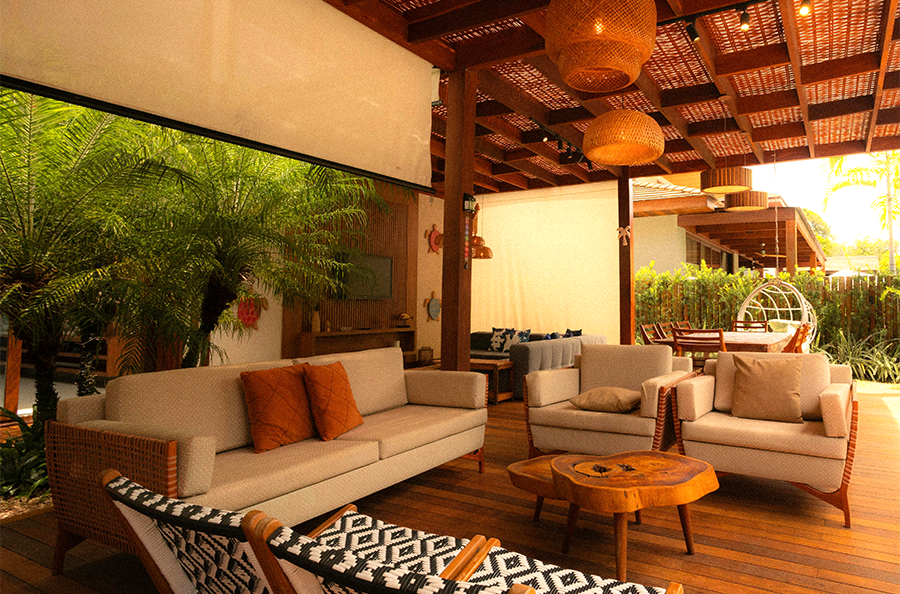
In Tampa Bay, life rarely stays indoors for long. Even in the heart of summer, patios glow beneath string lights, outdoor kitchens hum during evening gatherings, and covered lanais become extensions of the home itself. Across Tampa, St. Petersburg, Clearwater, and the surrounding Gulf communities, homeowners are increasingly designing spaces that blur the line between indoors and out—creating homes that feel both relaxed and refined, built not just for shelter, but for lifestyle. It is a design philosophy uniquely suited to Florida’s Gulf Coast. Here, the climate encourages year-round entertaining, waterfront views shape architecture, and outdoor living is not treated as an afterthought. Instead, it has become one of the defining features of modern home design throughout the region. Today’s Tampa Bay homeowners are moving beyond the basic screened patio. In its place are thoughtfully integrated outdoor spaces that function as second living rooms, open-air dining areas, wellness retreats, and gathering places for friends and family. Covered lanais with natural wood ceilings, oversized ceiling fans, and soft architectural lighting have become increasingly common in both luxury homes and mid-range renovations. Retractable glass walls and wide sliding doors are allowing interior spaces to flow seamlessly into outdoor entertainment areas, creating homes that feel larger, brighter, and more connected to the coastal environment. Outdoor kitchens continue to evolve as well. What was once a simple grill station has transformed into fully functional culinary spaces complete with refrigeration, pizza ovens, beverage bars, and custom seating areas designed for long evenings outdoors. For many homeowners, entertaining has become a central priority, and outdoor spaces are increasingly designed to accommodate everything from quiet family dinners to large social gatherings. The Gulf Coast climate also plays a significant role in shaping local design choices. Materials matter more in Florida than they do in many other parts of the country. Homeowners are gravitating toward finishes and furnishings that can withstand humidity, salt air, and intense sunlight while still maintaining a sophisticated appearance. Porcelain pavers, weather-resistant cabinetry, composite decking, and performance fabrics have surged in popularity, offering durability without sacrificing style. Native and Florida-friendly landscaping is also becoming more prevalent, with homeowners embracing palms, ornamental grasses, flowering tropical plants, and drought-tolerant greenery that thrive naturally in the region’s climate. At the same time, there is a growing appreciation for homes that feel calm, breezy, and connected to the outdoors. Interiors throughout Tampa Bay are increasingly incorporating organic textures, lighter color palettes, natural woods, linen fabrics, and coastal-inspired tones that reflect the surrounding environment without leaning too heavily into traditional beach-house clichés. The result is a more elevated interpretation of Gulf Coast living—one that balances comfort with sophistication. Storm resilience has also become a major consideration in modern Florida design. Following recent hurricane seasons, many homeowners are investing in impact-rated windows and doors, reinforced roofing systems, motorized storm screens, and smarter drainage solutions that help protect properties without compromising aesthetics. Designers and builders throughout the region are finding creative ways to integrate safety and durability into homes that still feel warm and inviting rather than overly fortified. For many residents, these upgrades are about more than resale value. They represent a shift in how people want to experience home itself. As more adults spend time working remotely, hosting family visits, or simply seeking a slower pace of life, the desire for functional, restorative living spaces has grown stronger. Outdoor lounges, plunge pools, meditation gardens, shaded courtyards, and spa-inspired bathrooms are increasingly viewed not as luxuries, but as meaningful investments in everyday quality of life. Neighborhoods across Tampa Bay each bring their own flavor to this evolving style. In St. Petersburg, historic bungalows are being reimagined with lush tropical courtyards and contemporary additions. Along the waterfront communities of South Tampa and Snell Isle, homes often emphasize expansive entertaining spaces and seamless water views. In growing suburban areas throughout Hillsborough and Pinellas counties, homeowners are transforming traditional backyards into private resort-style escapes tailored to Florida living. What ties all of these trends together is a growing understanding that the best homes in Tampa Bay are not simply designed around square footage. They are designed around experience. The Gulf Coast lifestyle has always carried a sense of openness—a connection to sunshine, water, gathering, and ease. Increasingly, homeowners are finding ways to bring that feeling directly into the spaces where they live every day. In Tampa Bay, the future of home design may not be about building bigger homes at all. It may simply be about building homes that feel more connected to the place people are fortunate enough to call home.
A Wine Lover’s Guide to Drinking Better (Without Overthinking It)

If you’ve ever stood in the wine aisle staring at a wall of labels, you’re not alone. Too many choices. Too many regions. Too many opinions. And somewhere along the way, wine got complicated. It doesn’t need to be. Because at the end of the day, wine is not about memorization. It’s about enjoyment. And if you live in a place like Tampa Bay—where meals tend to be fresh, relaxed, and often just a few steps from the outdoors—you already have everything you need to start drinking better. Start With This: You Don’t Need to Know Everything One of the biggest misconceptions about wine is that you need expertise to enjoy it properly. You don’t. You don’t need to identify obscure tasting notes. You don’t need to know every region in France. You don’t need to use the word “terroir” in a sentence. What you do need is a sense of what you like—and a willingness to explore a little. That’s it. Match the Wine to the Moment, Not the Rules People love rules when it comes to wine. White with fish. Red with meat. This with that. There’s some truth there, but it’s not where you should start. Instead, think about the moment. Is it a warm evening?Are you eating outside?Is the food light and fresh—or heavier and richer? In Tampa Bay, most of the time, the answer leans toward: Light. Fresh. Relaxed. Which is why certain wines just work here. The Wines That Always Deliver If you want a reliable starting point, these are hard to miss: Sauvignon BlancCrisp, citrusy, refreshing. Perfect with seafood, salads, and anything with lemon. Pinot GrigioLight, clean, easy. A go-to when you don’t want to overthink it. Dry RoséOne of the most versatile wines you can have on hand—especially in warm weather. Works with almost everything and feels right outside. Light Reds (like Pinot Noir)If you prefer red, go lighter. Heavier reds can feel out of place in warm climates unless the meal really calls for it. These aren’t complicated choices. They’re practical ones. Temperature Matters More Than You Think Here’s something that will immediately improve your wine experience: Serve it at the right temperature. White wines and rosés should be chilled—but not ice cold. Too cold and you lose the flavor. Red wines? Most people serve them too warm. A slightly cool red is almost always better than a warm one—especially in Florida. This is one of those small adjustments that makes a big difference. Good Food Makes Wine Better (And Vice Versa) Wine doesn’t exist in isolation. It’s part of a meal, a setting, a moment. And when the food is fresh—especially the kind of food you find around Tampa Bay—wine becomes easier to pair without even trying. Grilled fish with lemon and herbs? Almost any crisp white will work.Shrimp with garlic and olive oil? Same story.A simple tomato salad? Rosé all day. When the food is clean and balanced, the wine doesn’t have to work hard. Don’t Save the Good Bottle This is one of the habits I always encourage people to break. Waiting for a “special occasion.” A good bottle of wine can turn an ordinary Tuesday into something better. It doesn’t need a reason. In fact, those are often the best times to open it—when the meal is simple, the setting is relaxed, and there’s nothing to prove. Build a Small, Reliable Rotation You don’t need a collection. You need a few wines you trust. Find: Keep them on hand. Rotate occasionally. Try something new now and then. Over time, your taste naturally refines itself. The Tampa Bay Advantage One of the things people underestimate about living here is how well the lifestyle pairs with wine. Outdoor dinners. Fresh ingredients. Slower evenings. Wine fits naturally into that rhythm—not as something formal, but as something that enhances the experience. A glass at sunset.A bottle shared over dinner.A second glass when no one’s in a hurry to leave. That’s where wine belongs. The Bottom Line If you want to drink better wine, don’t start with complexity. Start with context. Good food. The right setting. A wine that feels like it fits. Because when those things come together, something interesting happens: You stop thinking about the wine. And you just enjoy it.
The Habits That Quietly Decide How You’ll Age

Most people think aging is something that happens to them. It’s not. It’s something that builds—slowly, daily, often without you noticing. The way you feel at 60, 70, even 80 isn’t determined by one big decision. It’s the result of hundreds of small ones that compound over time. And here’s the part most people overlook: The habits that matter most aren’t dramatic. They’re the ones you repeat without thinking. The Direction You’re Headed Your body is always adapting. If you move regularly, it becomes more capable.If you sit more, it becomes more limited.If you challenge it, it responds.If you don’t, it adjusts downward. There’s no neutral. You are either building capacity—or slowly giving it away. And that direction becomes much more noticeable after 50. Strength Is the Foundation If you strip everything down, one factor stands out more than almost anything else: Strength. Not just for how you look—but for how you function. Strong legs mean you can move confidently.A strong core supports your balance.Upper body strength makes everyday tasks easier. More importantly, strength gives you a buffer. It protects you against injury. It helps you recover faster. It keeps you independent. Without it, everything gets harder—gradually at first, then all at once. Mobility Is What Keeps You Moving Strength alone isn’t enough. You also need mobility—the ability to move your body freely and without restriction. This is where a lot of people run into trouble. Tight hips. Stiff shoulders. Limited range of motion. It doesn’t feel urgent—until it does. A few minutes a day of stretching, controlled movement, or even something like yoga can make a significant difference over time. It’s not about becoming flexible. It’s about staying functional. The Role of Daily Movement Formal exercise is important. But what you do the other 23 hours of the day matters just as much. Walking. Standing. Moving throughout the day. In Tampa Bay, this is one of the easiest habits to build. You have access to: The environment supports it. The question is whether you use it. Food Is Fuel—Whether You Notice or Not What you eat directly affects how you feel. Energy. Focus. Recovery. Even sleep. And yet, many people treat nutrition as an afterthought. You don’t need a perfect diet. But you do need a consistent one. That usually means: When you get this right, everything else becomes easier. Recovery Is Where Progress Happens There’s a tendency to focus only on action—exercise, activity, doing more. But recovery is where your body actually improves. Sleep is the biggest factor here. If you’re not sleeping well, you’re not recovering well. And if you’re not recovering, your body starts to fall behind—quietly at first. The goal isn’t perfection. It’s consistency. Better sleep habits compound just like everything else. The Compound Effect Is Real Here’s what makes all of this so important: Small habits don’t feel powerful in the moment. A walk doesn’t feel life-changing.A strength session doesn’t feel dramatic.Choosing a better meal doesn’t feel significant. But over time, they stack. Weeks turn into months. Months turn into years. And eventually, the gap between people who were consistent and people who weren’t becomes very clear. This Is Still in Your Control That’s the part worth emphasizing. You’re not locked into a path. No matter where you’re starting from, your habits can change your trajectory. Not overnight. But steadily. And that steady progress is what leads to long-term results. The Real Goal The goal isn’t just to live longer. It’s to live well longer. To move easily.To feel capable.To stay engaged with the life you’ve built. In a place like Tampa Bay, where the lifestyle encourages activity and connection, that kind of living is not only possible—it’s accessible. But it doesn’t happen by accident. It happens through the habits you choose to keep. And those habits, more than anything else, quietly decide how you’ll age.
Financial Clarity After 50: Simplifying What Actually Matters

How Do You Want To Live? By the time you reach your 50s, the question isn’t whether you’ve built something financially. It’s whether it all makes sense. For most people, it doesn’t—not at first. What started as a handful of accounts and decisions over the years often turns into something more complicated than it needs to be. Old 401(k)s, multiple advisors, scattered investments, insurance policies you haven’t reviewed in years. On paper, it may look like progress. In practice, it can feel unclear. And that lack of clarity matters more than people realize. Complexity Is the Quiet Problem One of the most common patterns at this stage isn’t a lack of assets—it’s too much fragmentation. Different accounts doing different things. Investments that no longer match your goals. Financial decisions made years ago that were never revisited. None of it is necessarily wrong. But it’s often disconnected. And when things are disconnected, it becomes difficult to answer a simple question: Am I actually in a good position? The Shift From Growth to Alignment Earlier in life, financial strategy is largely about growth. After 50, it becomes about alignment. Does your financial structure support how you actually want to live?Does it provide flexibility—or create friction?Does it give you confidence—or low-level uncertainty? In a place like Tampa Bay, these questions become more tangible. It’s one thing to talk about retirement in theory. It’s another to think about what your day-to-day life might look like—morning walks along Bayshore, dinners out in St. Petersburg, more travel, more time outdoors. The goal is no longer just building wealth. It’s making sure your wealth supports that life. Income Is the Real Conversation This is where many people get it wrong. They focus on what they’ve accumulated, but not on how it actually functions. After 50, your financial life becomes less about totals and more about income—how your assets translate into something usable, sustainable, and predictable. That often means coordinating multiple sources: The challenge isn’t just generating income. It’s doing it in a way that is efficient, stable, and aligned with your lifestyle. Simplification Creates Confidence There’s a reason many experienced advisors emphasize simplification at this stage. Not because things need to be basic—but because they need to be clear. When accounts are consolidated, strategies are aligned, and everything is working toward a common goal, something important happens: You stop guessing. You understand where you stand.You understand how things work.And most importantly, you understand what’s possible. A Different Definition of Wealth At some point, the definition of wealth begins to change. It becomes less about accumulation and more about control. Control over your time.Control over your decisions.Control over how you experience your life. In Tampa Bay, where lifestyle is part of the equation every day, that shift becomes especially clear. The question isn’t just what you have—it’s what it allows you to do. And clarity is what makes that possible.
The New Rules of Retirement Planning in Florida

A diversified portfolio can help you weather the storm For generations, retirement planning followed a fairly predictable formula. People worked for several decades, built a nest egg, retired in their mid-60s, and lived off pensions, Social Security, and savings. Today, that formula has changed dramatically. Longer life expectancy, evolving investment markets, rising healthcare costs, and shifting economic conditions have transformed how people need to think about retirement. In states like Florida—particularly in regions such as Tampa Bay, where many people relocate specifically for retirement—the approach to financial planning has become both more complex and more strategic. A Longer Retirement Horizon One of the most significant factors influencing retirement planning today is longevity. Advances in healthcare and improvements in overall lifestyle mean that many people are living well into their 80s and 90s. While this is a positive development, it also means retirement savings must last far longer than previous generations anticipated. Instead of planning for a retirement that lasts ten or fifteen years, many financial planners now recommend preparing for twenty-five to thirty years of post-career living. This longer horizon requires careful planning around investment strategy, withdrawal rates, and long-term financial stability. The Appeal of Florida Florida has long been one of the most attractive retirement destinations in the United States. The state’s warm climate, coastal environment, and vibrant communities make it especially appealing for people seeking an active lifestyle after leaving the workforce. Another factor drawing retirees to Florida is its tax structure. The state has no personal income tax, which can make retirement income—including withdrawals from retirement accounts—more favorable compared to many other states. For people relocating to the Tampa Bay area, understanding how Florida’s tax policies interact with their retirement income can play an important role in maximizing financial resources over time. Diversification Matters More Than Ever In previous decades, pensions provided a predictable income stream for many retirees. Today, most people rely primarily on personal savings and investment accounts such as 401(k)s and IRAs. Because market conditions can fluctuate, diversification has become one of the most important principles of retirement planning. A balanced portfolio that includes a mix of investments can help reduce risk while providing opportunities for long-term growth. The goal is not simply to accumulate wealth, but to structure assets in a way that provides both stability and flexibility throughout retirement. Managing Retirement Income One of the biggest challenges retirees face is determining how to convert their savings into a reliable income stream. Withdraw too much too early, and savings may not last. Withdraw too little, and retirees may unnecessarily limit their lifestyle. Modern retirement planning often focuses on strategies that balance income with long-term sustainability. These strategies may include carefully structured withdrawals from retirement accounts, coordination with Social Security benefits, and thoughtful tax planning. For many households, retirement income now comes from multiple sources rather than a single pension, making planning even more important. Healthcare and Long-Term Planning Healthcare is another major consideration when planning for retirement. Even with Medicare coverage, medical expenses can become one of the largest costs people face in later life. Planning ahead for healthcare expenses—including potential long-term care needs—can help protect retirement savings and reduce financial stress later on. In regions like Tampa Bay, access to major healthcare systems and medical specialists has become an important factor for many retirees deciding where to live. Lifestyle Planning Is Financial Planning One of the most important shifts in modern retirement thinking is recognizing that financial planning and lifestyle planning are closely connected. Where someone lives, how they spend their time, and the activities they pursue all influence how much income they will need during retirement. Some retirees prioritize travel and experiences, while others prefer a more relaxed lifestyle focused on family, hobbies, and community involvement. Understanding personal goals allows financial plans to be structured around the life someone wants to live—not just the numbers in an investment account. A More Active Retirement Retirement itself is also evolving. Many people today choose to remain active professionally long after they leave traditional careers. Some start small businesses, consult in their previous industries, or pursue part-time work that aligns with personal interests. Others devote time to volunteer work, mentorship, or creative pursuits. This flexible approach can provide both financial and personal benefits while allowing individuals to remain engaged with their communities. Planning for a New Chapter The idea of retirement as a complete withdrawal from productive life is gradually fading. Instead, it is increasingly viewed as a transition into a new phase that offers freedom, opportunity, and personal fulfillment. Successful retirement planning today involves more than simply accumulating savings. It requires thoughtful preparation, adaptability, and a clear vision of the life someone hopes to create in the years ahead. For many people choosing to live in Tampa Bay, that vision includes warm weather, active communities, and a lifestyle that balances financial security with the opportunity to fully enjoy the next chapter of life.