

The Taste of Summer: Why Tampa Bay Is at Its Best Right Now
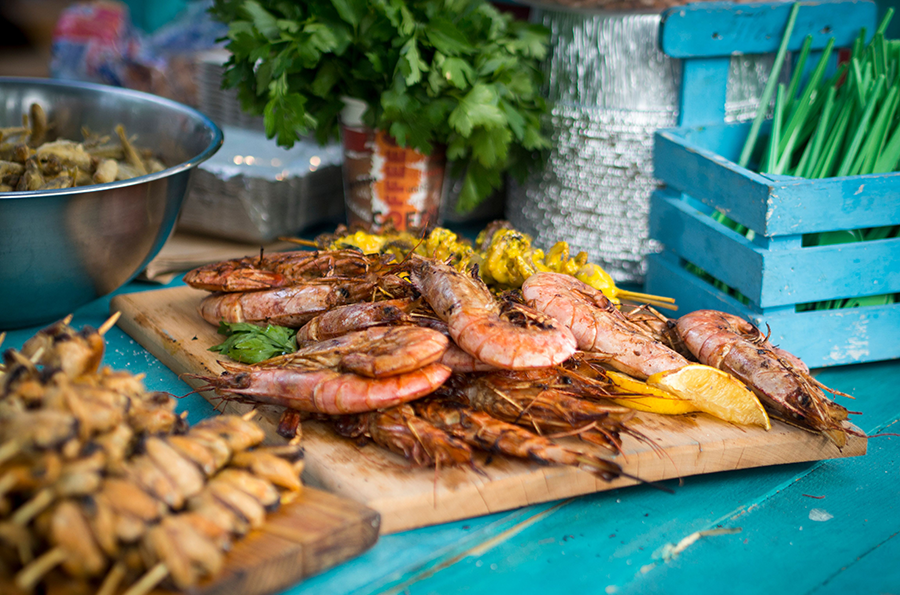
There’s something special about dining in Tampa Bay this time of year By the Food, Wine & Entertaining Editor As the days stretch longer and evening temperatures begin to soften just enough for waterfront dinners and backyard gatherings, local markets fill with colorful produce, Gulf seafood reaches its seasonal peak, and home cooks rediscover the simple pleasure of sharing a meal outdoors. Summer entertaining doesn’t have to be elaborate. In fact, the best hosts know that fresh ingredients and thoughtful preparation often make the strongest impression. Let Florida’s Farms Do the Work Florida’s growing season is different from much of the country, and that’s good news for anyone who loves cooking with fresh ingredients. Throughout the region, Tampa Bay farmers markets feature juicy tomatoes, sweet corn, watermelon, peaches from North Florida, peppers, cucumbers, herbs, and tropical fruits that rarely travel well enough to appear in supermarket displays. Instead of planning a complicated menu, consider building dinner around what’s freshest this week. A platter of grilled vegetables, fresh Gulf shrimp, artisan bread, locally made cheeses, and seasonal fruit creates a table that feels abundant without requiring hours in the kitchen. Better yet, guests notice freshness. Gulf Seafood Shines Ask almost any local chef what defines Florida summer dining, and seafood quickly enters the conversation. Fresh grouper, snapper, mahi, stone crab when in season, shrimp, oysters, and blue crab all find their way onto menus throughout the Tampa Bay area. The preparation is often surprisingly simple—olive oil, citrus, fresh herbs, and a hot grill are frequently all that’s needed. The emphasis isn’t on hiding the flavor. It’s on letting exceptional ingredients speak for themselves. Pair grilled fish with roasted corn salad, citrus slaw, or heirloom tomatoes, and dinner practically creates itself. Summer Wines Worth Discovering Warm weather calls for wines with bright acidity and refreshing character. A crisp Sauvignon Blanc remains one of the easiest crowd-pleasers, offering citrus notes that complement seafood beautifully. Dry rosé continues to earn its place on Florida tables, pairing equally well with grilled chicken, salads, charcuterie, and lighter pasta dishes. For those who prefer red wine, look for lighter-bodied options served just slightly chilled. Pinot Noir, and many Italian reds become surprisingly refreshing during summer evenings. And don’t overlook sparkling wine. Whether it’s Champagne, Cava, Prosecco, or an American sparkling wine, bubbles instantly elevate an ordinary gathering into something that feels celebratory. Entertaining Doesn’t Need Perfection Social media has convinced many people that entertaining requires magazine-worthy tablescapes and restaurant-quality meals. Fortunately, real guests aren’t looking for perfection. They’re looking for connection. Fresh flowers from the local market, linen napkins, candlelight, and a playlist set the mood far more effectively than expensive decorations. Serve one signature cocktail. Offer one memorable dessert. Give guests room to linger after dinner instead of rushing through the evening. Those are often the gatherings people remember most. Explore Tampa Bay One Bite at a Time One of the joys of living in the Tampa Bay region is the incredible diversity of its food scene. An afternoon might begin with browsing a neighborhood farmers market before stopping for Cuban coffee, continue with fresh seafood overlooking the water, and end with handcrafted ice cream or cocktails at a rooftop lounge. Each neighborhood offers its own culinary personality. Rather than returning to familiar favorites every weekend, challenge yourself to explore one new restaurant, bakery, winery event, or specialty food shop each month. You’ll not only discover remarkable food—you’ll meet the people whose passion helps shape the region’s growing culinary identity. After all, great meals aren’t measured only by what’s on the plate. They’re measured by the conversations they inspire, the memories they create, and the people fortunate enough to gather around the table.
Designed for the Gulf: How Tampa Bay Homeowners Are Rethinking Indoor-Outdoor Living
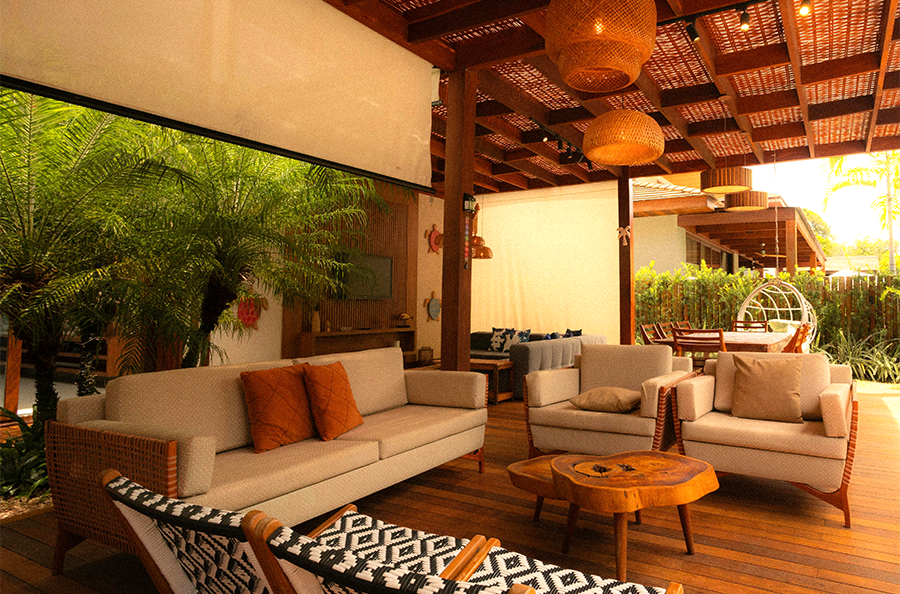
In Tampa Bay, life rarely stays indoors for long. Even in the heart of summer, patios glow beneath string lights, outdoor kitchens hum during evening gatherings, and covered lanais become extensions of the home itself. Across Tampa, St. Petersburg, Clearwater, and the surrounding Gulf communities, homeowners are increasingly designing spaces that blur the line between indoors and out—creating homes that feel both relaxed and refined, built not just for shelter, but for lifestyle. It is a design philosophy uniquely suited to Florida’s Gulf Coast. Here, the climate encourages year-round entertaining, waterfront views shape architecture, and outdoor living is not treated as an afterthought. Instead, it has become one of the defining features of modern home design throughout the region. Today’s Tampa Bay homeowners are moving beyond the basic screened patio. In its place are thoughtfully integrated outdoor spaces that function as second living rooms, open-air dining areas, wellness retreats, and gathering places for friends and family. Covered lanais with natural wood ceilings, oversized ceiling fans, and soft architectural lighting have become increasingly common in both luxury homes and mid-range renovations. Retractable glass walls and wide sliding doors are allowing interior spaces to flow seamlessly into outdoor entertainment areas, creating homes that feel larger, brighter, and more connected to the coastal environment. Outdoor kitchens continue to evolve as well. What was once a simple grill station has transformed into fully functional culinary spaces complete with refrigeration, pizza ovens, beverage bars, and custom seating areas designed for long evenings outdoors. For many homeowners, entertaining has become a central priority, and outdoor spaces are increasingly designed to accommodate everything from quiet family dinners to large social gatherings. The Gulf Coast climate also plays a significant role in shaping local design choices. Materials matter more in Florida than they do in many other parts of the country. Homeowners are gravitating toward finishes and furnishings that can withstand humidity, salt air, and intense sunlight while still maintaining a sophisticated appearance. Porcelain pavers, weather-resistant cabinetry, composite decking, and performance fabrics have surged in popularity, offering durability without sacrificing style. Native and Florida-friendly landscaping is also becoming more prevalent, with homeowners embracing palms, ornamental grasses, flowering tropical plants, and drought-tolerant greenery that thrive naturally in the region’s climate. At the same time, there is a growing appreciation for homes that feel calm, breezy, and connected to the outdoors. Interiors throughout Tampa Bay are increasingly incorporating organic textures, lighter color palettes, natural woods, linen fabrics, and coastal-inspired tones that reflect the surrounding environment without leaning too heavily into traditional beach-house clichés. The result is a more elevated interpretation of Gulf Coast living—one that balances comfort with sophistication. Storm resilience has also become a major consideration in modern Florida design. Following recent hurricane seasons, many homeowners are investing in impact-rated windows and doors, reinforced roofing systems, motorized storm screens, and smarter drainage solutions that help protect properties without compromising aesthetics. Designers and builders throughout the region are finding creative ways to integrate safety and durability into homes that still feel warm and inviting rather than overly fortified. For many residents, these upgrades are about more than resale value. They represent a shift in how people want to experience home itself. As more adults spend time working remotely, hosting family visits, or simply seeking a slower pace of life, the desire for functional, restorative living spaces has grown stronger. Outdoor lounges, plunge pools, meditation gardens, shaded courtyards, and spa-inspired bathrooms are increasingly viewed not as luxuries, but as meaningful investments in everyday quality of life. Neighborhoods across Tampa Bay each bring their own flavor to this evolving style. In St. Petersburg, historic bungalows are being reimagined with lush tropical courtyards and contemporary additions. Along the waterfront communities of South Tampa and Snell Isle, homes often emphasize expansive entertaining spaces and seamless water views. In growing suburban areas throughout Hillsborough and Pinellas counties, homeowners are transforming traditional backyards into private resort-style escapes tailored to Florida living. What ties all of these trends together is a growing understanding that the best homes in Tampa Bay are not simply designed around square footage. They are designed around experience. The Gulf Coast lifestyle has always carried a sense of openness—a connection to sunshine, water, gathering, and ease. Increasingly, homeowners are finding ways to bring that feeling directly into the spaces where they live every day. In Tampa Bay, the future of home design may not be about building bigger homes at all. It may simply be about building homes that feel more connected to the place people are fortunate enough to call home.
Living Well in Motion: The Daily Rhythm of Tampa Bay

Step into relaxation There’s a certain rhythm to life in Tampa Bay that you don’t notice right away. It’s not loud. It’s not structured. It doesn’t announce itself. But if you pay attention—even for a few days—you begin to feel it. Morning light stretching across Bayshore Boulevard.Midday movement along the Tampa Riverwalk.Evenings that drift toward the waterfront in St. Petersburg. It’s a rhythm built around movement, connection, and just enough space to enjoy both. And for many people after 50, it becomes something more than a backdrop. It becomes a way of living. Mornings That Start With Intention In many parts of the country, mornings are rushed. Here, they tend to open more gradually. You see it early—people walking along Bayshore, coffee in hand, the bay just starting to reflect the day’s light. Others gather along the Riverwalk, moving at their own pace, not because they have to, but because it’s part of how the day begins. This isn’t exercise in the traditional sense. It’s something closer to ritual. And over time, those small rituals shape how people feel—not just physically, but mentally. There’s clarity in starting the day this way. A sense that you’re participating in it, rather than reacting to it. Midday That Stays Engaged One of the things that stands out about Tampa Bay is how active the middle of the day remains. In downtown Tampa, the Riverwalk doesn’t empty after the morning crowd—it evolves. People move between cafes, waterfront spaces, and shaded areas that invite you to stay a little longer. Across the bay, in places like Beach Drive, the day stretches naturally into lunch, conversation, and unplanned moments. This is where lifestyle begins to shift. Instead of compressing everything into evenings and weekends, people begin to spread life out across the day. A walk becomes a meeting. Lunch becomes an experience. Time becomes something you use more intentionally. The Pull of the Water It’s hard to overstate how much the water influences life here. Whether it’s the open bay, the beaches of Pinellas County, or smaller waterfront parks tucked into neighborhoods, there’s a constant draw toward it. You see it in how people plan their time: Late afternoon walks near the water.Evening dinners with a view.Weekends that quietly drift toward the coast without much planning at all. There’s something about being near the water that changes your pace. Conversations last longer. Meals stretch. The day doesn’t feel rushed. And that shift—subtle as it is—has a real impact on how life feels. Evenings That Don’t Feel Rushed In many places, evenings are the only time life happens. Here, they feel like a continuation. As the heat softens and the light fades, people move outside again. Patios fill. Outdoor tables become the center of conversation. A quick dinner becomes something you don’t quite want to end. In St. Petersburg, Beach Drive becomes a natural gathering point. In Tampa, the Riverwalk takes on a different energy—less movement, more presence. There’s no urgency to it. And that lack of urgency is part of what makes it feel different. The Social Layer What ties all of this together is connection. Not forced. Not scheduled. But built into the environment. Fitness groups that meet regularly. Informal gatherings that become routine. Familiar faces that turn into friendships over time. It’s one of the quieter advantages of living in a place like Tampa Bay. You don’t have to work as hard to stay connected. The environment does some of that work for you. Living Well Isn’t a Big Decision One of the misconceptions about living well is that it requires a major change. A move. A reinvention. A complete reset. But more often, it’s built through smaller shifts: Starting the day outside instead of inside.Choosing movement over convenience.Letting time open up instead of filling it immediately. Tampa Bay doesn’t force those choices—but it makes them easier. A Different Kind of Wealth At some point, the definition of a good life begins to change. It becomes less about accumulation and more about experience. Time spent well.Days that feel balanced.Moments that don’t need to be rushed through. In Tampa Bay, that kind of life isn’t something you have to chase. It’s already happening around you. You just have to step into it.
A Wine Lover’s Guide to Drinking Better (Without Overthinking It)
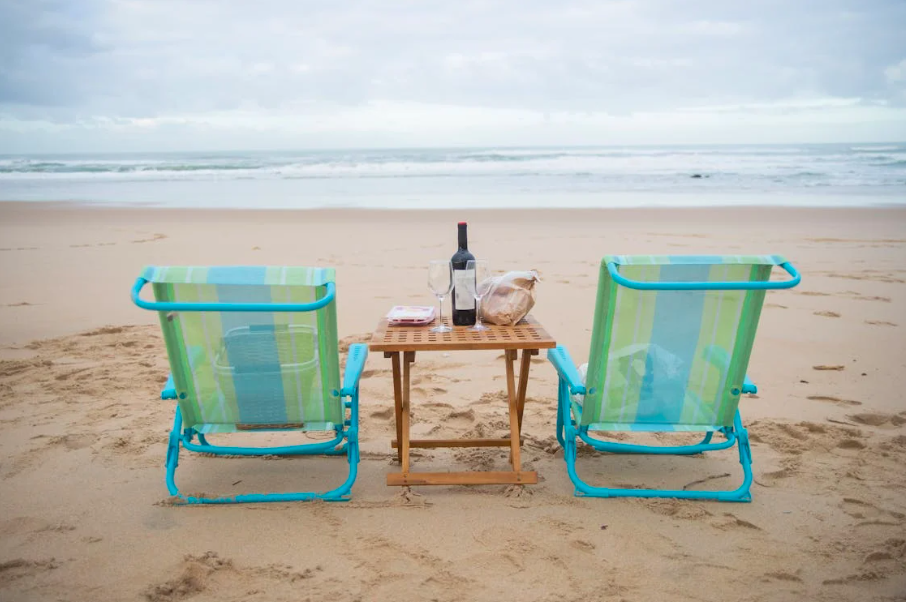
If you’ve ever stood in the wine aisle staring at a wall of labels, you’re not alone. Too many choices. Too many regions. Too many opinions. And somewhere along the way, wine got complicated. It doesn’t need to be. Because at the end of the day, wine is not about memorization. It’s about enjoyment. And if you live in a place like Tampa Bay—where meals tend to be fresh, relaxed, and often just a few steps from the outdoors—you already have everything you need to start drinking better. Start With This: You Don’t Need to Know Everything One of the biggest misconceptions about wine is that you need expertise to enjoy it properly. You don’t. You don’t need to identify obscure tasting notes. You don’t need to know every region in France. You don’t need to use the word “terroir” in a sentence. What you do need is a sense of what you like—and a willingness to explore a little. That’s it. Match the Wine to the Moment, Not the Rules People love rules when it comes to wine. White with fish. Red with meat. This with that. There’s some truth there, but it’s not where you should start. Instead, think about the moment. Is it a warm evening?Are you eating outside?Is the food light and fresh—or heavier and richer? In Tampa Bay, most of the time, the answer leans toward: Light. Fresh. Relaxed. Which is why certain wines just work here. The Wines That Always Deliver If you want a reliable starting point, these are hard to miss: Sauvignon BlancCrisp, citrusy, refreshing. Perfect with seafood, salads, and anything with lemon. Pinot GrigioLight, clean, easy. A go-to when you don’t want to overthink it. Dry RoséOne of the most versatile wines you can have on hand—especially in warm weather. Works with almost everything and feels right outside. Light Reds (like Pinot Noir)If you prefer red, go lighter. Heavier reds can feel out of place in warm climates unless the meal really calls for it. These aren’t complicated choices. They’re practical ones. Temperature Matters More Than You Think Here’s something that will immediately improve your wine experience: Serve it at the right temperature. White wines and rosés should be chilled—but not ice cold. Too cold and you lose the flavor. Red wines? Most people serve them too warm. A slightly cool red is almost always better than a warm one—especially in Florida. This is one of those small adjustments that makes a big difference. Good Food Makes Wine Better (And Vice Versa) Wine doesn’t exist in isolation. It’s part of a meal, a setting, a moment. And when the food is fresh—especially the kind of food you find around Tampa Bay—wine becomes easier to pair without even trying. Grilled fish with lemon and herbs? Almost any crisp white will work.Shrimp with garlic and olive oil? Same story.A simple tomato salad? Rosé all day. When the food is clean and balanced, the wine doesn’t have to work hard. Don’t Save the Good Bottle This is one of the habits I always encourage people to break. Waiting for a “special occasion.” A good bottle of wine can turn an ordinary Tuesday into something better. It doesn’t need a reason. In fact, those are often the best times to open it—when the meal is simple, the setting is relaxed, and there’s nothing to prove. Build a Small, Reliable Rotation You don’t need a collection. You need a few wines you trust. Find: Keep them on hand. Rotate occasionally. Try something new now and then. Over time, your taste naturally refines itself. The Tampa Bay Advantage One of the things people underestimate about living here is how well the lifestyle pairs with wine. Outdoor dinners. Fresh ingredients. Slower evenings. Wine fits naturally into that rhythm—not as something formal, but as something that enhances the experience. A glass at sunset.A bottle shared over dinner.A second glass when no one’s in a hurry to leave. That’s where wine belongs. The Bottom Line If you want to drink better wine, don’t start with complexity. Start with context. Good food. The right setting. A wine that feels like it fits. Because when those things come together, something interesting happens: You stop thinking about the wine. And you just enjoy it.
How to Host a Dinner Party People Actually Enjoy
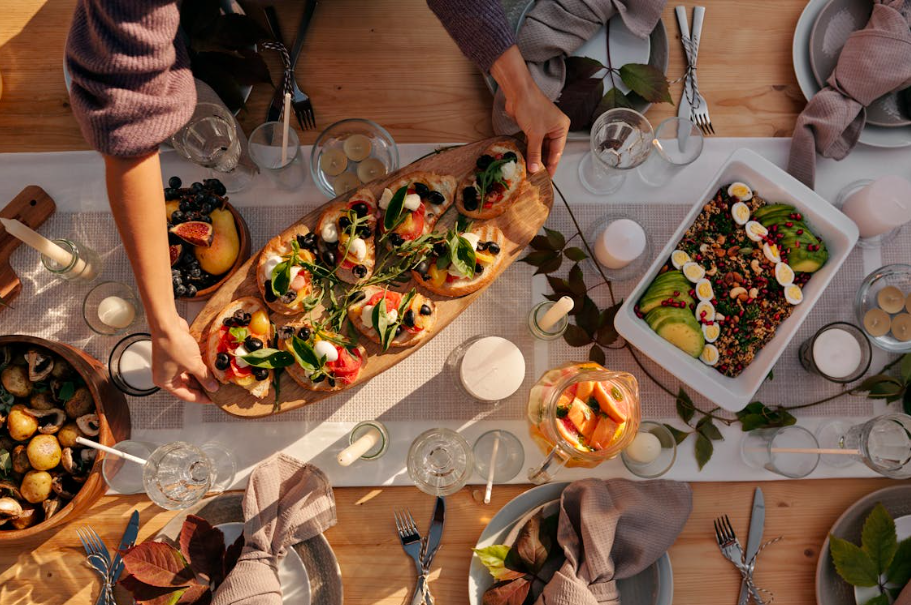
There’s a moment that happens at most dinner parties. You’ve seen it. The host disappears into the kitchen. The food becomes the focus. Everything tightens up just a little. Timing matters. Presentation matters. Stress creeps in. And meanwhile, the whole point—the people—gets pushed to the side. Here’s the truth: The best dinner parties are never about the food alone. They’re about how the evening feels. And if you get that right, everything else falls into place. Start With the Right Goal If your goal is to impress people, you’ll make it harder than it needs to be. If your goal is to create a great evening, you’ll make better decisions. That means: The people who host the best dinners understand this instinctively. They’re not trying to prove anything. They’re trying to bring people together. Build the Menu Around One Thing This is the easiest way to simplify everything. Pick one thing you want to do well—and build the meal around it. In Tampa Bay, that’s often seafood. Grilled grouper.A shrimp dish that comes together in minutes.Even a simple fish you can cook in one pan and serve family-style. Once that’s decided, everything else becomes easier: That’s a complete meal. You don’t need five courses. You need one that works. Shop Like a Local If you want your dinner to feel special, don’t over-plan it—shop better. Hit a local market. See what looks good that day. Fresh fish. Seasonal produce. Something that catches your eye. When ingredients are fresh, the menu almost builds itself. That’s one of the advantages of being in Tampa Bay. You’re not working with limitations—you’re choosing from abundance. Do the Work Before People Arrive This might be the most important rule of all. If you’re still cooking heavily after your guests arrive, you’ve already lost a bit of the night. Prep ahead. Chop what needs to be chopped.Set the table.Have everything ready to go. So when people walk in, you’re not finishing—you’re hosting. And that changes the entire tone of the evening. Set the Space, Not Just the Table People remember how a place feels more than what was served. Soft lighting.Music in the background.A table that invites people to sit, not just eat. In Tampa Bay, if you have the option, take it outside. A patio, a lanai, even a simple setup with a fan moving the air—it immediately relaxes everything. Dinner doesn’t feel formal. It feels like something you want to stay in. Wine Should Be Part of the Flow Don’t overthink this. Pick wines that are easy to drink and easy to share. A chilled white.A rosé that works with almost anything.Maybe a light red if the meal leans that direction. Open the bottles early. Let people pour. Keep it casual. The best dinners don’t revolve around wine—they move with it. Let the Night Breathe Here’s where most people rush. They move from course to course. They clear too quickly. They try to keep things “on track.” You don’t need a track. Let people sit. Let conversation stretch. Let the table stay a little messy. That’s when a dinner shifts from good to memorable. The Secret Most People Miss People won’t remember exactly what you served. They’ll remember: Who they sat next to.What they talked about.How long they stayed. And whether the night felt easy. That’s the real job of a host. Why This Works So Well Here Tampa Bay is built for this kind of entertaining. The weather supports it.The food supports it.The lifestyle encourages it. You don’t need a reason to have people over. A good meal, a few bottles of wine, and a comfortable place to sit—that’s enough. The Bottom Line If you take anything from this, let it be this: Make it easier than you think it should be. Better ingredients. Simpler food. More presence. Because the best dinner parties don’t feel like events. They feel like something you don’t want to end.
The Secret to Cooking Incredible Seafood at Home (It’s Simpler Than You Think)
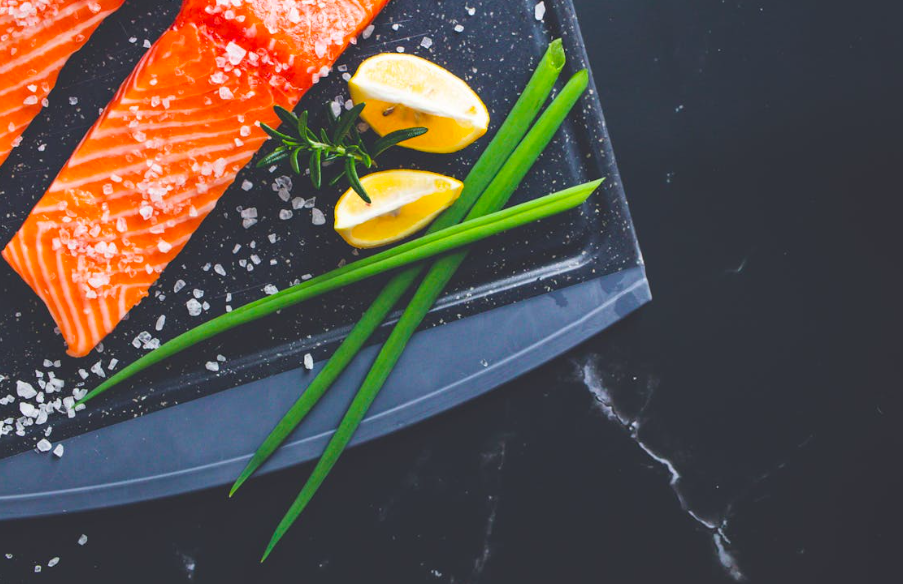
If there’s one thing I wish more people in Tampa Bay realized, it’s this: You don’t need a restaurant to eat incredible seafood. You’re living right next to some of the best waters in the country. The fish is fresh. The variety is there. The flavor is already built in. And yet, a lot of people still treat seafood like it’s complicated. Something better left to chefs. It’s not. In fact, the better the seafood, the less you should do to it. Fresh Changes Everything Let’s start here, because it matters more than anything else: Fresh seafood cooks differently. It smells clean—not “fishy.”It feels firm, not soft.It tastes like the water it came from, not the kitchen it was cooked in. Around Tampa Bay, you’ve got access to grouper, snapper, shrimp, and seasonal catches that are good enough to stand on their own. Which means your job isn’t to transform them. It’s to not mess them up. Stop Overthinking It Most people make seafood harder than it needs to be. Too many ingredients. Too much seasoning. Too much time on the heat. If the fish is good, you can do three things and be done: That’s it. A piece of fresh grouper with a little olive oil, sea salt, and lemon—cooked properly—is better than 90% of what people try to “build” with complicated recipes. Learn One Technique Well If you want to get good at cooking seafood, don’t learn ten recipes. Learn one method. For most people, that method should be: Hot pan, quick cook. That last part is key. Seafood keeps cooking after you remove it from heat. Most overcooked fish is just fish that stayed on the stove a minute too long. Shrimp: The Easiest Win If you want confidence quickly, start with shrimp. They cook fast. They’re forgiving. And they take on flavor easily. A quick sauté with garlic, olive oil, a splash of white wine, and a squeeze of lemon is about as reliable as it gets. Serve it over something simple—rice, pasta, or even just with good bread—and you’ve got a meal that feels like you tried harder than you did. Let the Sides Stay Simple One of the mistakes I see all the time is overcomplicating the entire plate. If your main ingredient is fresh seafood, everything else should support it—not compete with it. In Tampa Bay, you’ve got access to incredible produce: A simple salad. Grilled vegetables. Maybe some roasted potatoes. That’s all you need. Wine Should Feel Easy Seafood and wine get overcomplicated in the same way. You don’t need to memorize pairings. You just need to think in terms of weight and freshness. Light, clean dishes → light, crisp wines. A cold Sauvignon Blanc with grilled fish.A Pinot Grigio with shrimp and citrus.A dry rosé on a warm evening when dinner stretches outside a little longer than planned. You’re not trying to impress anyone. You’re trying to enjoy the meal. The Real Difference Is the Setting Here’s something most recipes won’t tell you: Where you eat matters just as much as what you cook. A simple meal indoors feels like dinner. The same meal outside—on a patio, with a breeze, maybe a fan turning overhead—feels like an experience. That’s one of the advantages of living here. In Tampa Bay, you don’t need a special occasion to eat well. You just need to step outside. This Is What Coastal Cooking Is Supposed to Be At its best, cooking seafood isn’t about technique or complexity. It’s about restraint. Knowing when to stop. Knowing when something is already good enough. Fresh fish. Simple preparation. A glass of wine. Maybe a few people around the table. That’s the whole thing. And once you start cooking this way, you realize something: You don’t need to go out nearly as often as you thought. Because the best meals you’re going to have might end up being the ones you make yourself.
The Habits That Quietly Decide How You’ll Age
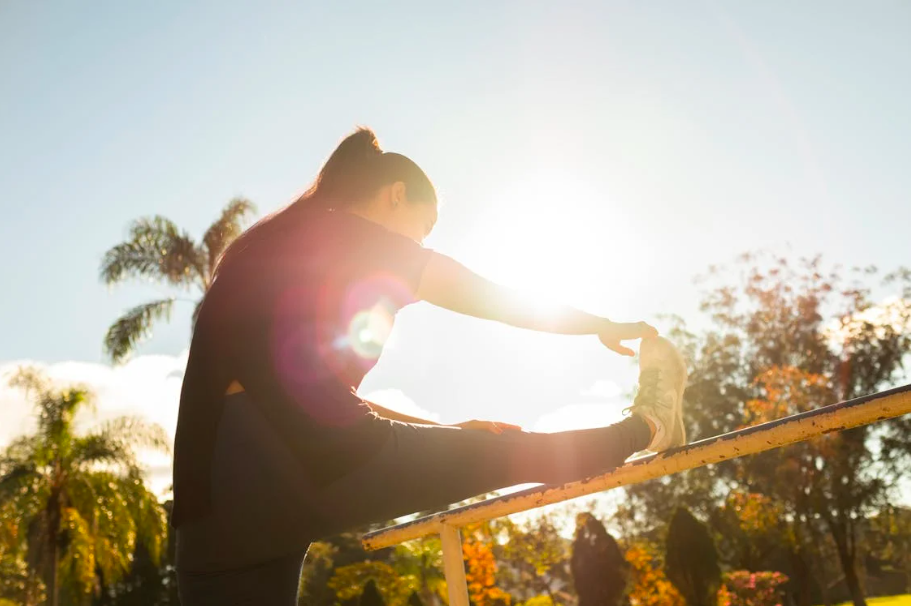
Most people think aging is something that happens to them. It’s not. It’s something that builds—slowly, daily, often without you noticing. The way you feel at 60, 70, even 80 isn’t determined by one big decision. It’s the result of hundreds of small ones that compound over time. And here’s the part most people overlook: The habits that matter most aren’t dramatic. They’re the ones you repeat without thinking. The Direction You’re Headed Your body is always adapting. If you move regularly, it becomes more capable.If you sit more, it becomes more limited.If you challenge it, it responds.If you don’t, it adjusts downward. There’s no neutral. You are either building capacity—or slowly giving it away. And that direction becomes much more noticeable after 50. Strength Is the Foundation If you strip everything down, one factor stands out more than almost anything else: Strength. Not just for how you look—but for how you function. Strong legs mean you can move confidently.A strong core supports your balance.Upper body strength makes everyday tasks easier. More importantly, strength gives you a buffer. It protects you against injury. It helps you recover faster. It keeps you independent. Without it, everything gets harder—gradually at first, then all at once. Mobility Is What Keeps You Moving Strength alone isn’t enough. You also need mobility—the ability to move your body freely and without restriction. This is where a lot of people run into trouble. Tight hips. Stiff shoulders. Limited range of motion. It doesn’t feel urgent—until it does. A few minutes a day of stretching, controlled movement, or even something like yoga can make a significant difference over time. It’s not about becoming flexible. It’s about staying functional. The Role of Daily Movement Formal exercise is important. But what you do the other 23 hours of the day matters just as much. Walking. Standing. Moving throughout the day. In Tampa Bay, this is one of the easiest habits to build. You have access to: The environment supports it. The question is whether you use it. Food Is Fuel—Whether You Notice or Not What you eat directly affects how you feel. Energy. Focus. Recovery. Even sleep. And yet, many people treat nutrition as an afterthought. You don’t need a perfect diet. But you do need a consistent one. That usually means: When you get this right, everything else becomes easier. Recovery Is Where Progress Happens There’s a tendency to focus only on action—exercise, activity, doing more. But recovery is where your body actually improves. Sleep is the biggest factor here. If you’re not sleeping well, you’re not recovering well. And if you’re not recovering, your body starts to fall behind—quietly at first. The goal isn’t perfection. It’s consistency. Better sleep habits compound just like everything else. The Compound Effect Is Real Here’s what makes all of this so important: Small habits don’t feel powerful in the moment. A walk doesn’t feel life-changing.A strength session doesn’t feel dramatic.Choosing a better meal doesn’t feel significant. But over time, they stack. Weeks turn into months. Months turn into years. And eventually, the gap between people who were consistent and people who weren’t becomes very clear. This Is Still in Your Control That’s the part worth emphasizing. You’re not locked into a path. No matter where you’re starting from, your habits can change your trajectory. Not overnight. But steadily. And that steady progress is what leads to long-term results. The Real Goal The goal isn’t just to live longer. It’s to live well longer. To move easily.To feel capable.To stay engaged with the life you’ve built. In a place like Tampa Bay, where the lifestyle encourages activity and connection, that kind of living is not only possible—it’s accessible. But it doesn’t happen by accident. It happens through the habits you choose to keep. And those habits, more than anything else, quietly decide how you’ll age.
The Energy Problem No One Talks About After 50
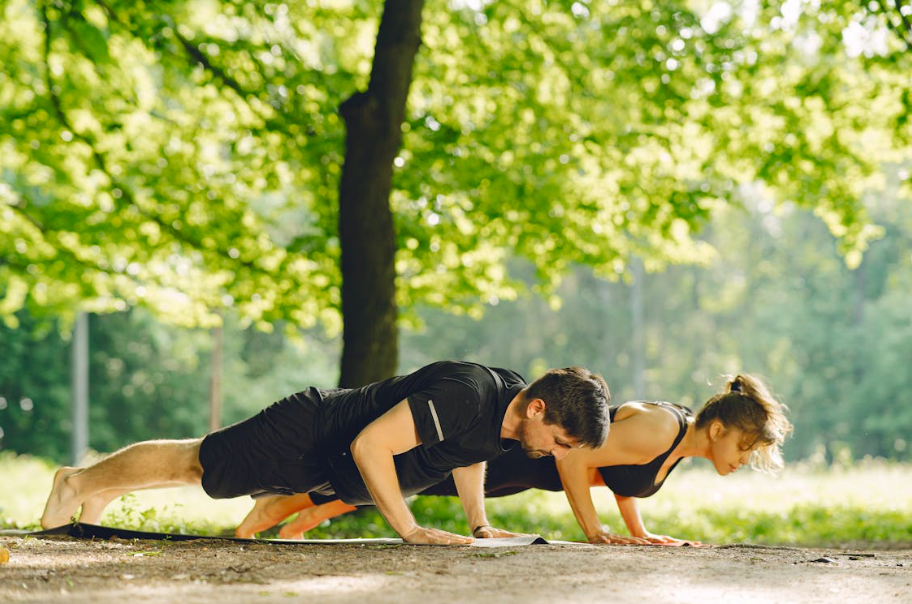
Most people don’t say it out loud. They’ll talk about getting older. They’ll talk about slowing down. They’ll even joke about it. But what they’re really feeling is something else: They’re tired. Not exhausted in a dramatic way. Just… lower. Less energy in the morning. Less motivation to move. Less drive to do things they used to do without thinking. And because it happens gradually, it’s easy to assume it’s just part of aging. It isn’t. The Slow Drift Energy doesn’t disappear overnight. It drifts. A little less movement. Slightly worse sleep. More time sitting. Less intentional eating. Individually, none of it feels significant. Together, it changes how your body operates. You don’t feel as strong. You don’t recover as quickly. You start choosing convenience over effort—not because you want to, but because it feels easier. That’s the turning point most people miss. What Most People Get Wrong If there’s one thing I wish more people understood, it’s this: Energy is not something you have. It’s something you create. And the inputs are surprisingly simple. Movement. Strength. Sleep. Nutrition. Not extremes. Not complicated systems. Just consistency in the fundamentals. The problem is, most people wait until they feel better to start doing those things. It works the other way around. Strength Changes Everything If you’re over 50 and you’re not doing some form of resistance training, you’re making life harder than it needs to be. That’s not an opinion. It’s a pattern. Strength training improves: And perhaps most importantly—it changes how your body feels day to day. You don’t need a gym obsession. You need a baseline. Two or three sessions a week is enough to create meaningful change. Movement Is Non-Negotiable This is where Tampa Bay gives you an advantage. You have access to year-round movement: Morning walks along Bayshore.Beach walks in the evening.Cycling, swimming, golf. The barrier isn’t opportunity. It’s decision. Daily movement doesn’t have to be intense. But it does have to be consistent. If you move every day, your body responds. If you don’t, it adapts in the other direction. Sleep Is the Multiplier Most people underestimate how much sleep affects everything else. Energy. Mood. Recovery. Appetite. If sleep is off, everything feels harder. The goal isn’t perfection—it’s consistency. Going to bed at roughly the same time. Reducing late-night stimulation. Creating an environment where your body can actually recover. You don’t notice great sleep immediately. But you definitely notice the lack of it. Food Should Work For You Nutrition doesn’t need to be extreme to be effective. What matters most is: If your meals are leaving you tired instead of energized, something needs to change. And usually, the solution is simpler than people expect. Momentum Is the Goal Here’s what I tell people all the time: You don’t need to overhaul your life. You need to build momentum. Start small. Walk every day.Lift a little.Eat better more often than not.Go to bed earlier than you think you need to. Do that consistently, and things start to shift. Energy improves. Motivation follows. And suddenly, the things that felt difficult begin to feel normal again. This Is the Real Opportunity Your 50s and 60s aren’t a decline phase. They’re a decision phase. You can drift—and accept whatever comes with that. Or you can be intentional—and shape how you feel for the next 20–30 years. In a place like Tampa Bay, where the environment supports an active, engaged lifestyle, the opportunity is right in front of you. But it doesn’t happen automatically. It happens when you decide to take control of it. And once you do, you realize something most people never do: Feeling better is not out of reach. It’s just waiting on your habits.
The Room You’ll Live In Most (And Why It’s No Longer Inside)
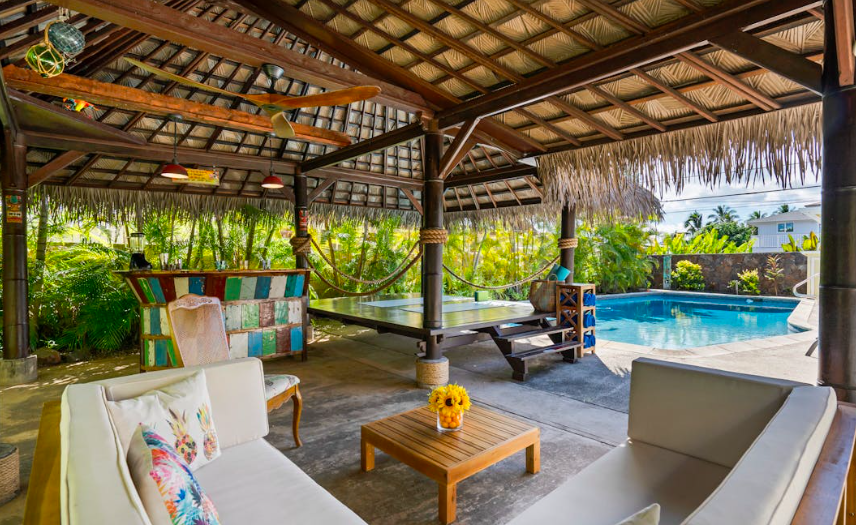
If you spend enough time in Tampa Bay, you start to notice something. The most important room in the house… isn’t always inside it. It’s the one just beyond the glass. The one with the ceiling fan turning slowly overhead. The one where the light changes throughout the day. The one where mornings begin quietly and evenings stretch a little longer than planned. Call it a patio. A lanai. A covered terrace. The name doesn’t matter. What matters is how it changes the way you live. The Shift You Don’t See Coming Most people don’t plan for this room to become the center of their home. It happens gradually. A cup of coffee outside turns into a morning routine. A casual dinner becomes something you prefer to eat outdoors. A quiet place to sit becomes where you end most evenings. And then one day, you realize: You’re living out here. Not occasionally—but regularly. Why It Works Here In many parts of the country, outdoor space is seasonal. In Tampa Bay, it’s foundational. The climate allows for a kind of everyday access to the outdoors that changes how homes function. You don’t need a special occasion to use the space. You don’t need to plan around it. It’s just there—available, comfortable, inviting. But not all outdoor spaces are equal. The ones that truly become part of daily life share a few things in common. It Starts With Shade The difference between a space you visit and a space you use comes down to comfort. And in Florida, comfort starts with shade. A covered structure—whether it’s a screened lanai, a deep overhang, or a pergola—turns outdoor space into something usable for hours, not minutes. Add a ceiling fan, and suddenly the air moves just enough to take the edge off the heat. That’s when the space begins to work. Then It Becomes a Room The next shift is subtle, but important. Furniture changes everything. Not plastic chairs or temporary seating—but real furniture. Cushioned seating. A table that invites you to sit down and stay awhile. Lighting that makes the space usable after the sun goes down. At that point, it stops feeling like “outside.” It starts feeling like another room. One you actually want to be in. The Kitchen Moves Out There In many Tampa Bay homes, the outdoor space doesn’t just support living—it supports entertaining. Grills evolve into full outdoor kitchens. Prep space expands. Refrigeration appears. What started as a place to cook occasionally becomes a place to gather. And something interesting happens when meals move outside: They slow down. There’s less urgency. More conversation. Fewer distractions. Dinner becomes less about eating and more about being together. The Light Does the Rest One of the things no interior designer can replicate is natural light. The way it shifts across a space throughout the day. The way it softens in the evening. The way it reflects off water, walls, and surrounding greenery. In Tampa Bay, where sunsets are part of the rhythm of life, this becomes one of the most valuable features of any home. A well-positioned outdoor space doesn’t just give you more room—it gives you better moments. Why This Matters More Now Earlier in life, homes tend to be organized around function. Bedrooms. Offices. Storage. Space for everything. After 50, priorities shift. The question becomes less about how much space you have and more about how that space feels. Where do you actually spend your time?Where do you feel most relaxed?Where do conversations happen naturally? More often than not, it’s outside. Designing for How You Live The mistake many homeowners make is treating outdoor space as secondary. An add-on. A bonus. Something to improve later. But in Tampa Bay, it’s often the opposite. The outdoor space isn’t extra—it’s essential. And when it’s designed intentionally, it becomes the most valuable square footage you have. A Different Kind of Living There’s a moment that happens in well-designed homes. You’re sitting outside. The air is warm but comfortable. There’s a drink on the table. The light is starting to change. And you realize you haven’t thought about anything else for a while. No distractions. No urgency. Just presence. That’s what this space creates. Not just better design—but a better way of living.
The Homes People Actually Want After 50 (And Why They’re Changing)
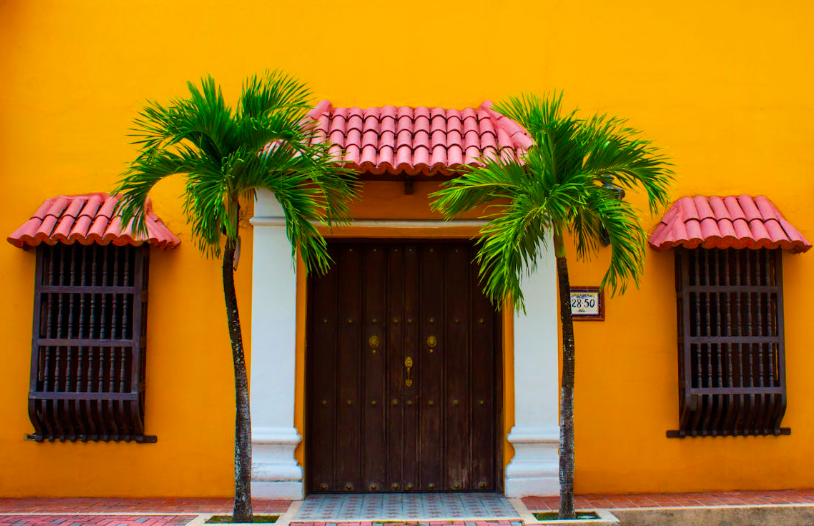
At some point, the way you think about your home begins to shift. It’s subtle at first. Rooms you rarely use start to feel unnecessary. Maintenance feels more like a chore than a point of pride. Spaces that once made sense no longer quite fit the way you live. And then, almost without realizing it, the question changes: Does this home still serve me—or am I serving it? For many people after 50, that question leads to a quiet but meaningful redesign of what “home” should be. The Move Toward Simplicity There’s a reason downsizing has become such a common conversation—and it’s not just about square footage. It’s about friction. Too many rooms to manage. Too much upkeep. Too many things that require attention but don’t add much to daily life. What people are really looking for is simplicity. Not minimalism in the strict sense, but a home that feels easier to live in. That might mean fewer rooms, but better ones. Less space, but more intention. The End of “Formal” Living One of the clearest shifts is the disappearance of formal spaces. Formal dining rooms. Formal living rooms. Rooms that look nice but rarely get used. They’re being replaced by spaces that actually support how people live now—open kitchens, comfortable living areas, and spaces that invite use rather than just appearance. In Tampa Bay, this often extends outdoors. A well-designed patio or lanai frequently becomes more valuable than an extra indoor room that sits empty most of the year. Flow Matters More Than Size What people want now isn’t necessarily a bigger home—it’s a better one. Flow has become more important than square footage. How easily can you move through the space?Do the rooms connect naturally?Does the home feel open without feeling exposed? In coastal environments like Tampa Bay, this often translates into open layouts, large sliding doors, and a strong connection between indoor and outdoor spaces. When it works well, the home feels less like a series of rooms and more like a continuous experience. Light Changes Everything If there’s one element that consistently transforms a home, it’s light. Natural light, in particular, has a way of making spaces feel larger, calmer, and more livable. Homes that once felt perfectly fine can start to feel closed-in over time, especially when compared to brighter, more open environments. That’s one reason homes with large windows, higher ceilings, and open exposure have become so desirable—particularly in Florida, where sunlight is part of everyday life. Comfort Over Show Another shift is the move away from impressing others toward creating personal comfort. Earlier in life, homes are often designed with a certain level of presentation in mind. How it looks to guests. How it compares. After 50, that tends to fade. The focus becomes: Is it comfortable?Is it easy?Do I enjoy being here? That might mean better furniture instead of more furniture. Softer lighting. Materials that feel good rather than just look good. Designing for the Future—Without Feeling Like It There’s also a practical layer that begins to influence decisions. Wider hallways. Fewer stairs. Walk-in showers. First-floor living. These features are often associated with aging, but the best designs incorporate them so seamlessly that they simply feel like good design. A home that’s easier to live in now also happens to be one that works well later. The Tampa Bay Factor Location plays a role in all of this. In Tampa Bay, homes are shaped by climate and lifestyle in ways that naturally support these trends. Outdoor living isn’t optional—it’s expected. Covered patios, ceiling fans, shaded seating areas, and outdoor kitchens become extensions of the home. Materials need to handle humidity and heat. Layouts need to allow airflow. Spaces need to feel comfortable year-round. The result is a style of living that’s both relaxed and intentional. A Home That Works With You Ultimately, the shift isn’t about downsizing or upgrading—it’s about alignment. A home that fits your life.A space that supports how you actually live.An environment that feels good, not just looks good. For many people, this becomes one of the most meaningful changes they make in this stage of life. Because when a home truly works, you feel it every day. And once you experience that, it’s very hard to go back.