The Biggest Retirement Mistakes People Make—And How to Avoid Them

By the time most people reach their 50s, they’ve done a lot of things right financially. They’ve worked. They’ve saved. They’ve invested. They’ve made decisions—some good, some less so—but overall, they’ve built something. And yet, this is also the stage where small missteps can have outsized consequences. Not because people are careless. But because the rules change—and many don’t realize it. What worked in your 30s and 40s doesn’t always work now. Mistake #1: Thinking “More” Is the Goal For years, financial progress is measured by accumulation. More savings.More investments.More growth. But after 50, the objective shifts. The real goal is not maximizing what you have—it’s making what you have work. That means understanding: People who continue to chase growth without thinking about structure often end up with portfolios that look impressive—but don’t function well when it’s time to use them. Mistake #2: Not Having a Clear Income Strategy This is the most common—and most expensive—mistake. Many people approach retirement with a collection of accounts but no clear plan for how those accounts will generate income. They assume they’ll “figure it out later.” Later tends to come quickly. A sound income strategy answers a few critical questions: Without a plan, withdrawals can become inefficient, unpredictable, and unnecessarily costly. Mistake #3: Underestimating Healthcare and Insurance Costs Healthcare is one of the few expenses that tends to increase with age—and it’s often underestimated. Even with Medicare, out-of-pocket costs, supplemental insurance, and long-term care needs can add up over time. In Florida, another factor enters the equation: insurance. Homeowners insurance, particularly in coastal areas like Tampa Bay, has become a meaningful line item in many budgets. Ignoring it—or assuming it will remain stable—can create surprises later. Planning for these costs doesn’t require pessimism. It requires realism. Mistake #4: Letting Old Decisions Carry Forward Financial decisions have a way of lingering. An investment strategy that made sense 15 years ago may no longer fit your current goals. Insurance policies may be outdated. Account structures may be inefficient. But because nothing is obviously broken, many people leave things as they are. This is where experienced planning makes a difference. After 50, it’s not just about what you have—it’s about whether everything is still aligned with where you’re going. Mistake #5: Ignoring the Impact of Where You Live Lifestyle decisions and financial decisions are deeply connected—especially at this stage. In Tampa Bay, that connection is easy to see. It’s a region that encourages: None of these are problems. They’re part of the appeal. But they do shape spending patterns in ways that need to be accounted for. The mistake isn’t enjoying these things. It’s failing to build a plan that supports them. Mistake #6: Waiting Too Long to Get Organized There’s a tendency to delay financial clarity. “I’ll get to it next year.”“I’ll deal with it when I retire.” But the closer you get to retirement, the more valuable clarity becomes. The people who feel the most confident about their financial future aren’t necessarily the ones with the most—they’re the ones who understand what they have and how it works. Organization leads to insight. Insight leads to better decisions. What the Right Approach Looks Like Avoiding these mistakes doesn’t require perfection. It requires intention. A strong plan at this stage typically includes: And perhaps most importantly, it includes the ability to adjust. Because no plan remains static—and the best ones are designed to evolve. The Advantage of This Stage There is one thing people often underestimate about their 50s and early 60s: It’s a powerful window. You still have time to make adjustments.You still have earning potential.You still have flexibility. Decisions made during this period can significantly shape the decades that follow. Handled well, this stage becomes less about risk—and more about refinement. The Bottom Line Most retirement mistakes aren’t dramatic. They’re subtle.They build slowly.And they often go unnoticed until they matter. But they are also avoidable. With clarity, intention, and a willingness to revisit old assumptions, it’s entirely possible to move into the next stage of life with confidence—not just in what you’ve built, but in how well it supports the life you want to live. And that, more than anything, is what good planning is meant to deliver.
Financial Clarity After 50: Simplifying What Actually Matters

How Do You Want To Live? By the time you reach your 50s, the question isn’t whether you’ve built something financially. It’s whether it all makes sense. For most people, it doesn’t—not at first. What started as a handful of accounts and decisions over the years often turns into something more complicated than it needs to be. Old 401(k)s, multiple advisors, scattered investments, insurance policies you haven’t reviewed in years. On paper, it may look like progress. In practice, it can feel unclear. And that lack of clarity matters more than people realize. Complexity Is the Quiet Problem One of the most common patterns at this stage isn’t a lack of assets—it’s too much fragmentation. Different accounts doing different things. Investments that no longer match your goals. Financial decisions made years ago that were never revisited. None of it is necessarily wrong. But it’s often disconnected. And when things are disconnected, it becomes difficult to answer a simple question: Am I actually in a good position? The Shift From Growth to Alignment Earlier in life, financial strategy is largely about growth. After 50, it becomes about alignment. Does your financial structure support how you actually want to live?Does it provide flexibility—or create friction?Does it give you confidence—or low-level uncertainty? In a place like Tampa Bay, these questions become more tangible. It’s one thing to talk about retirement in theory. It’s another to think about what your day-to-day life might look like—morning walks along Bayshore, dinners out in St. Petersburg, more travel, more time outdoors. The goal is no longer just building wealth. It’s making sure your wealth supports that life. Income Is the Real Conversation This is where many people get it wrong. They focus on what they’ve accumulated, but not on how it actually functions. After 50, your financial life becomes less about totals and more about income—how your assets translate into something usable, sustainable, and predictable. That often means coordinating multiple sources: The challenge isn’t just generating income. It’s doing it in a way that is efficient, stable, and aligned with your lifestyle. Simplification Creates Confidence There’s a reason many experienced advisors emphasize simplification at this stage. Not because things need to be basic—but because they need to be clear. When accounts are consolidated, strategies are aligned, and everything is working toward a common goal, something important happens: You stop guessing. You understand where you stand.You understand how things work.And most importantly, you understand what’s possible. A Different Definition of Wealth At some point, the definition of wealth begins to change. It becomes less about accumulation and more about control. Control over your time.Control over your decisions.Control over how you experience your life. In Tampa Bay, where lifestyle is part of the equation every day, that shift becomes especially clear. The question isn’t just what you have—it’s what it allows you to do. And clarity is what makes that possible.
The Everyday Habits That Make Life Feel Rich

It Begins With Intention A fulfilling life is rarely built on big, dramatic moments. More often, it’s shaped by small, consistent habits—the things you do every day without much thought, but that quietly define how your life feels. After 50, those habits begin to matter even more. In a place like Tampa Bay, where the environment naturally supports an active and engaged lifestyle, many of these habits become easier to adopt—and more enjoyable to maintain. Starting the Day With Intention How a day begins often sets the tone for everything that follows. For some, it’s a walk along the water.For others, it’s coffee on the patio, a few quiet moments before the day unfolds. These small rituals create space—space to think, to plan, or simply to be present. Staying Physically Engaged Movement is one of the most important daily habits for long-term well-being. It doesn’t have to be intense. It just has to be consistent. Walking, cycling, swimming, golf—Tampa Bay offers endless ways to stay active without it feeling like a chore. Maintaining Social Rhythm Connection doesn’t happen by accident. It’s built into routine. Regular lunches, group activities, shared experiences—these create a rhythm of interaction that supports both mental and emotional health. Keeping Curiosity Alive A rich life is often a curious one. Trying new things, exploring new places, learning new ideas—these habits keep life feeling dynamic and engaging. Ending the Day Well Just as mornings matter, so do evenings. A shared meal. A glass of wine. A quiet moment outside. These are the moments that, over time, define how life feels.
Finding Purpose and Community in Tampa Bay

Say Yes to Trying Something New There comes a point in life when the question shifts. For years, it may have been about building—careers, families, responsibilities, routines. But eventually, a quieter and more meaningful question begins to take shape: What now? For many adults in their 50s and beyond, this stage is less about obligation and more about intention. It’s about choosing how to spend your time, who to spend it with, and what gives your life a sense of purpose. In the Tampa Bay region, that question often has a rich set of answers. A Place That Invites Participation There are places where life feels passive, and then there are places that quietly invite you to step in and be part of something. Tampa Bay is the latter. Across the region, from the neighborhoods of South Tampa to the waterfront parks of St. Petersburg, there is a constant sense of activity—not rushed, but alive. Morning walkers along Bayshore Boulevard, community events in local parks, small gatherings at neighborhood cafés, volunteer groups meeting with purpose. It’s the kind of environment that makes it easier to say yes. Yes to joining something.Yes to trying something new.Yes to becoming part of a community again, in a deeper and more intentional way. Purpose Doesn’t Retire One of the most common misconceptions about this stage of life is that purpose fades once careers slow down. In reality, the opposite often happens. Without the structure of a full-time career, many people find themselves with the freedom to pursue things that feel more personally meaningful. Volunteering, mentoring, community leadership, creative work—these pursuits begin to take center stage. Tampa Bay offers countless pathways for this kind of engagement. Nonprofit organizations, community initiatives, and local causes provide opportunities to contribute in ways that feel tangible and rewarding. The result is a different kind of fulfillment—one rooted not in obligation, but in choice. The Social Side of Living Well Equally important is connection. Strong social relationships are one of the most consistent predictors of long-term happiness and well-being. And yet, building those connections later in life can sometimes feel more challenging than it once did. That’s where environment matters. In Tampa Bay, social opportunities are often woven into everyday life. Fitness classes, hobby groups, waterfront gatherings, and cultural events all create natural ways to meet people without forcing the process. Over time, these small interactions tend to build into something larger—a sense of familiarity, belonging, and community. Reconnecting With Interests There is also something powerful about returning to interests that may have been set aside years earlier. Painting. Writing. Music. Gardening. Sailing. Cooking. Learning. These aren’t just hobbies—they are ways of reconnecting with parts of yourself that may have been dormant. In a region like Tampa Bay, where the pace of life allows for exploration, many people find themselves rediscovering these passions in a meaningful way. And often, those personal pursuits lead to something more—new friendships, shared experiences, and a renewed sense of identity. A Different Kind of Success Perhaps the most important shift that happens in this stage of life is how success is defined. It becomes less about achievement and more about alignment. Are you spending your time in ways that feel meaningful?Are you connected to people who matter to you?Are you engaged with the world around you? In Tampa Bay, where lifestyle and environment naturally encourage engagement, many people find that the answer to those questions begins to change. Living With Intention Purpose and community are not things that simply appear. They are built—gradually, intentionally, and often in small ways. A conversation.A commitment.A willingness to step outside of routine. Over time, those choices begin to shape something larger: a life that feels connected, meaningful, and fully lived. And in a place like Tampa Bay, that kind of life is not only possible—it’s waiting to be created.
Strength Training After 50: Why It Matters More Than Ever

Invest In The Future You For many years, exercise advice for older adults focused primarily on gentle activities such as walking, stretching, or light aerobic movement. While these forms of exercise remain valuable, modern research has revealed something even more important for healthy aging: maintaining muscle strength. Strength training—sometimes called resistance training—has become one of the most recommended forms of exercise for adults over 50. Far from being reserved for athletes or bodybuilders, it is now widely recognized as a powerful tool for supporting longevity, mobility, and overall quality of life. In active communities like Tampa Bay, where year-round outdoor recreation and wellness culture are part of everyday life, strength training is increasingly becoming a key component of healthy aging. The Hidden Cost of Muscle Loss One of the natural processes associated with aging is a gradual loss of muscle mass, known as sarcopenia. Beginning as early as the 30s and accelerating after the age of 50, this process can lead to reduced strength, slower metabolism, and decreased stability. Without intentional effort to maintain muscle, people may begin to notice changes in everyday activities—climbing stairs becomes more difficult, lifting objects requires more effort, and balance may decline. Strength training directly addresses this process by stimulating muscles to remain active and resilient. Even modest resistance exercises performed consistently can slow or reverse many of the effects associated with muscle loss. Strength and Longevity Research continues to demonstrate that maintaining muscle strength is closely linked to long-term health and longevity. Stronger muscles help support joints, improve posture, and reduce the risk of falls—one of the leading causes of injury among older adults. Resistance training also improves bone density, which is critical for preventing fractures later in life. Beyond the musculoskeletal system, strength training has been shown to support heart health, improve insulin sensitivity, and assist with weight management. These benefits make resistance exercise one of the most effective ways to maintain vitality as people age. A Metabolic Advantage Another benefit of maintaining muscle mass is its impact on metabolism. Muscle tissue requires more energy to maintain than fat tissue. As muscle mass decreases, the body naturally burns fewer calories at rest, which can make weight management more challenging over time. Strength training helps counter this effect by preserving lean muscle mass. Even two or three resistance sessions per week can significantly improve metabolic efficiency. For adults over 50, this can translate into better energy levels and greater ability to maintain a healthy body composition. Functional Strength for Everyday Life Perhaps the most practical benefit of strength training is its impact on daily activities. Functional strength—the ability to move comfortably through everyday tasks—is closely tied to muscle health. Exercises that strengthen the legs, hips, core, and upper body support movements such as standing up from a chair, carrying groceries, or climbing stairs. Maintaining this type of strength allows people to remain independent and active for longer periods of time. In lifestyle-focused communities like those found throughout Tampa Bay, where outdoor activity and social engagement are common, maintaining mobility is a key part of enjoying the region’s lifestyle. Getting Started Safely For those new to strength training, the idea of lifting weights may feel intimidating. However, resistance exercise does not require heavy weights or complex equipment. Many effective exercises use simple tools such as resistance bands, light dumbbells, or even body weight. Movements such as squats, lunges, push-ups, and rows can be adapted to suit a wide range of fitness levels. The most important principle is consistency. Gradually increasing resistance over time allows muscles to adapt and grow stronger without unnecessary strain. Starting slowly and focusing on proper technique can help build confidence and reduce the risk of injury. The Role of Recovery As with any form of exercise, recovery plays an important role in strength training. Muscles actually rebuild and strengthen during periods of rest following exercise. Allowing adequate time between workouts ensures that the body can recover properly. Stretching, hydration, and balanced nutrition all contribute to effective recovery and long-term progress. Many people find that incorporating two or three strength sessions per week alongside other activities such as walking, swimming, or cycling provides a balanced and sustainable approach to fitness. Strength as a Lifestyle One of the most encouraging aspects of strength training is that its benefits can be realized at any age. Studies have shown that individuals in their 60s, 70s, and even 80s can experience significant improvements in strength, balance, and mobility when they begin resistance exercise. Rather than focusing on athletic performance, the goal becomes building a lifestyle that supports long-term health and independence. For residents of the Tampa Bay region, where opportunities for recreation, wellness programs, and active living are abundant, incorporating strength training into daily life can become a natural extension of the coastal lifestyle. Investing in Long-Term Vitality Maintaining strength after 50 is not about achieving a particular appearance or reaching extreme fitness goals. It is about preserving the ability to live actively and comfortably for decades to come. By supporting muscle health, improving balance, and enhancing metabolic function, strength training provides a foundation for long-term vitality. For many people, it becomes one of the most valuable investments they can make in their future health—ensuring that the years ahead remain filled with energy, movement, and opportunity.
Designing a Home for Coastal Living
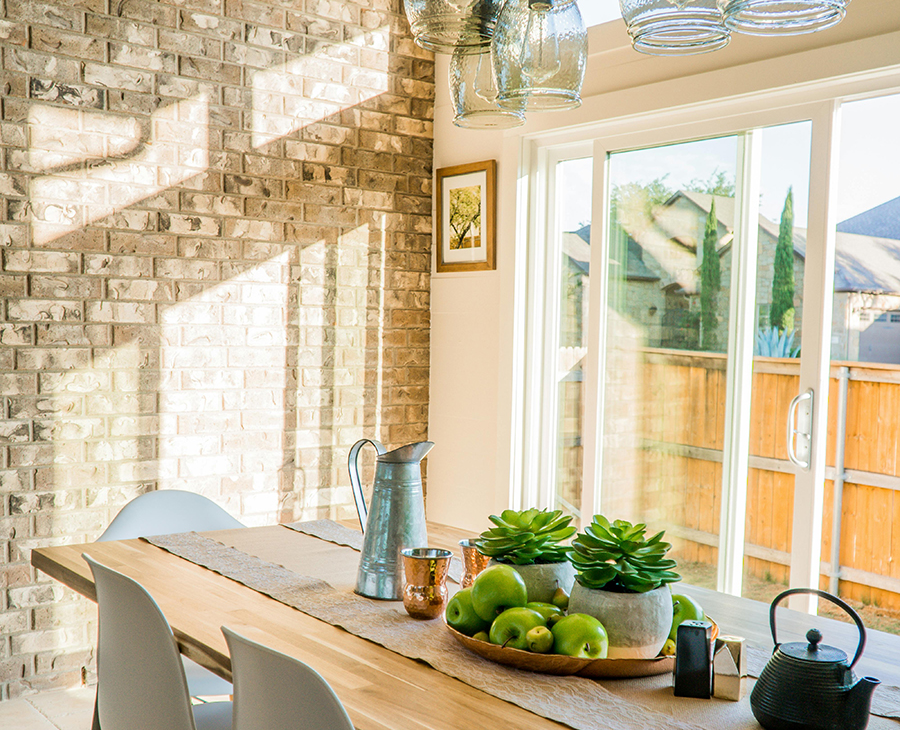
Bring the indoors outside, but respect the storms Living along Florida’s Gulf Coast offers a lifestyle that many people dream about. Warm weather, waterfront views, and year-round outdoor living create a unique environment that influences not only how people spend their time, but also how they design their homes. In the Tampa Bay region—where neighborhoods stretch from the historic streets of Tampa to the waterfront communities of St. Petersburg and the beaches of Pinellas County—home design often reflects a balance between comfort, functionality, and the relaxed coastal character that defines the area. For many homeowners, especially those entering their 50s and beyond, designing a home that embraces this lifestyle becomes an important part of creating a living environment that supports both enjoyment and long-term comfort. Indoor–Outdoor Living One of the most defining elements of coastal home design in Florida is the seamless connection between indoor and outdoor spaces. Unlike colder climates where outdoor living is limited by the seasons, Tampa Bay’s subtropical environment encourages people to extend their homes into patios, lanais, pools, and outdoor kitchens. Covered outdoor living areas have become particularly popular because they allow homeowners to enjoy fresh air and natural light while remaining protected from intense sun or sudden rain showers. Large sliding glass doors, screened enclosures, and shaded patios help blur the boundary between interior and exterior space. For many homeowners, these areas become the center of daily life—places for morning coffee, evening dinners, or simply relaxing in the coastal breeze. Materials That Withstand the Climate Florida’s climate presents unique challenges that influence the materials used in home construction and renovation. High humidity, salt air near the coast, and intense sun exposure require materials that are durable and resistant to wear. Tile flooring, natural stone, and engineered hardwood are common choices because they handle moisture better than traditional carpeting. Impact-resistant windows and reinforced roofing materials are also widely used to help protect homes during storm season. These practical considerations often shape the aesthetic of coastal homes as well, creating interiors that feel bright, airy, and easy to maintain. Light, Air, and Open Space Another hallmark of coastal design is the emphasis on natural light and open layouts. Homes in the Tampa Bay area frequently feature large windows, high ceilings, and open floor plans that allow sunlight to flow throughout the space. These design choices not only create a sense of spaciousness but also help keep interiors feeling cool and comfortable. Color palettes often reflect the surrounding environment. Soft blues, sandy neutrals, and crisp whites are common choices that echo the colors of the Gulf Coast while creating a calm and relaxing atmosphere inside the home. The result is a style that feels both elegant and informal—perfectly suited to Florida’s laid-back coastal lifestyle. Designing for Long-Term Comfort For homeowners entering the second half of life, design decisions increasingly focus on long-term comfort and practicality. Many people are choosing layouts that allow them to remain in their homes for decades to come. This might include features such as wider hallways, step-free entryways, walk-in showers, and first-floor primary bedrooms. These design elements do not change the beauty of a home, but they make everyday living easier and more adaptable over time. The concept of “aging in place” has become a major influence in home design across Florida, particularly among homeowners who plan to make the Tampa Bay area their long-term residence. Kitchens Designed for Gathering The kitchen has become the social center of the modern home, and this trend is particularly visible in coastal communities. Open kitchens with large islands create spaces where cooking, conversation, and entertaining naturally come together. Many homeowners design kitchens that flow directly into living rooms or outdoor spaces, allowing guests and family members to move easily throughout the home. In Tampa Bay, where entertaining often extends outdoors, kitchens frequently connect to patios or outdoor dining areas, creating a natural extension of the gathering space. Bringing the Coast Indoors Coastal design often incorporates subtle elements that reflect the surrounding environment without becoming overly themed. Natural textures such as wood, rattan, linen, and woven materials add warmth to interior spaces. Artwork inspired by the ocean, local landscapes, or nautical heritage can provide a sense of place without overwhelming the room. Large windows that frame views of water, palm trees, or city skylines allow the environment itself to become part of the home’s design. This approach creates spaces that feel connected to their surroundings while maintaining a timeless aesthetic. A Lifestyle Reflected in Design For many people living in the Tampa Bay area, home design is about more than aesthetics. It is about creating a space that supports the lifestyle they want to live. Whether that means enjoying sunsets from a waterfront patio, hosting friends for dinner on a breezy evening, or simply relaxing in a bright and comfortable living room, the design of a home shapes daily experience. In coastal communities, where natural beauty and outdoor living are part of everyday life, thoughtful design allows homeowners to fully embrace the environment around them. A well-designed home becomes more than a place to live—it becomes the foundation for a lifestyle defined by comfort, connection, and the unique character of Florida’s Gulf Coast.
The New Rules of Retirement Planning in Florida

A diversified portfolio can help you weather the storm For generations, retirement planning followed a fairly predictable formula. People worked for several decades, built a nest egg, retired in their mid-60s, and lived off pensions, Social Security, and savings. Today, that formula has changed dramatically. Longer life expectancy, evolving investment markets, rising healthcare costs, and shifting economic conditions have transformed how people need to think about retirement. In states like Florida—particularly in regions such as Tampa Bay, where many people relocate specifically for retirement—the approach to financial planning has become both more complex and more strategic. A Longer Retirement Horizon One of the most significant factors influencing retirement planning today is longevity. Advances in healthcare and improvements in overall lifestyle mean that many people are living well into their 80s and 90s. While this is a positive development, it also means retirement savings must last far longer than previous generations anticipated. Instead of planning for a retirement that lasts ten or fifteen years, many financial planners now recommend preparing for twenty-five to thirty years of post-career living. This longer horizon requires careful planning around investment strategy, withdrawal rates, and long-term financial stability. The Appeal of Florida Florida has long been one of the most attractive retirement destinations in the United States. The state’s warm climate, coastal environment, and vibrant communities make it especially appealing for people seeking an active lifestyle after leaving the workforce. Another factor drawing retirees to Florida is its tax structure. The state has no personal income tax, which can make retirement income—including withdrawals from retirement accounts—more favorable compared to many other states. For people relocating to the Tampa Bay area, understanding how Florida’s tax policies interact with their retirement income can play an important role in maximizing financial resources over time. Diversification Matters More Than Ever In previous decades, pensions provided a predictable income stream for many retirees. Today, most people rely primarily on personal savings and investment accounts such as 401(k)s and IRAs. Because market conditions can fluctuate, diversification has become one of the most important principles of retirement planning. A balanced portfolio that includes a mix of investments can help reduce risk while providing opportunities for long-term growth. The goal is not simply to accumulate wealth, but to structure assets in a way that provides both stability and flexibility throughout retirement. Managing Retirement Income One of the biggest challenges retirees face is determining how to convert their savings into a reliable income stream. Withdraw too much too early, and savings may not last. Withdraw too little, and retirees may unnecessarily limit their lifestyle. Modern retirement planning often focuses on strategies that balance income with long-term sustainability. These strategies may include carefully structured withdrawals from retirement accounts, coordination with Social Security benefits, and thoughtful tax planning. For many households, retirement income now comes from multiple sources rather than a single pension, making planning even more important. Healthcare and Long-Term Planning Healthcare is another major consideration when planning for retirement. Even with Medicare coverage, medical expenses can become one of the largest costs people face in later life. Planning ahead for healthcare expenses—including potential long-term care needs—can help protect retirement savings and reduce financial stress later on. In regions like Tampa Bay, access to major healthcare systems and medical specialists has become an important factor for many retirees deciding where to live. Lifestyle Planning Is Financial Planning One of the most important shifts in modern retirement thinking is recognizing that financial planning and lifestyle planning are closely connected. Where someone lives, how they spend their time, and the activities they pursue all influence how much income they will need during retirement. Some retirees prioritize travel and experiences, while others prefer a more relaxed lifestyle focused on family, hobbies, and community involvement. Understanding personal goals allows financial plans to be structured around the life someone wants to live—not just the numbers in an investment account. A More Active Retirement Retirement itself is also evolving. Many people today choose to remain active professionally long after they leave traditional careers. Some start small businesses, consult in their previous industries, or pursue part-time work that aligns with personal interests. Others devote time to volunteer work, mentorship, or creative pursuits. This flexible approach can provide both financial and personal benefits while allowing individuals to remain engaged with their communities. Planning for a New Chapter The idea of retirement as a complete withdrawal from productive life is gradually fading. Instead, it is increasingly viewed as a transition into a new phase that offers freedom, opportunity, and personal fulfillment. Successful retirement planning today involves more than simply accumulating savings. It requires thoughtful preparation, adaptability, and a clear vision of the life someone hopes to create in the years ahead. For many people choosing to live in Tampa Bay, that vision includes warm weather, active communities, and a lifestyle that balances financial security with the opportunity to fully enjoy the next chapter of life.
Designing a Life That Feels Rich After 50 in Tampa Bay

What does living well look like in 2026? For many people, turning 50 marks a shift in priorities. The years of building careers, raising families, and managing daily responsibilities often give way to a new question: what does a fulfilling life look like in the decades ahead? In places like the Tampa Bay region, where warm weather, coastal scenery, and a vibrant cultural landscape intersect, the answer often centers on experiences, community, and purposeful living. Rather than slowing down, many adults in their 50s and beyond are redefining what it means to live well. Redefining What “Rich” Really Means When people talk about a rich life, they are increasingly referring to something deeper than financial success. A rich life tends to include strong relationships, meaningful experiences, intellectual curiosity, and a sense of personal growth. For adults entering the second half of life, this often means investing time in things that were once pushed aside during busier years. Travel, hobbies, cultural exploration, volunteering, and wellness all begin to take on greater importance. The Tampa Bay area offers a particularly supportive environment for this shift. The region combines the amenities of a large metropolitan area with access to outdoor recreation, arts and culture, and waterfront living. The Power of Environment Where people live can play a major role in how they experience this stage of life. Tampa Bay has become an increasingly popular destination for adults seeking an active and engaging lifestyle after 50. The region’s waterfront parks, walking paths, and beaches encourage year-round outdoor activity. Neighborhoods throughout Tampa, St. Petersburg, and the surrounding communities offer a mix of historic districts, vibrant downtown areas, and coastal environments that make everyday life feel more connected to nature. Many residents find that simply having access to sunshine, water, and open space naturally encourages healthier habits and a more active lifestyle. Staying Curious and Engaged One of the defining characteristics of people who thrive later in life is curiosity. Learning new skills, exploring new interests, and staying mentally engaged all contribute to a sense of vitality. Across Tampa Bay, opportunities for intellectual and creative engagement are plentiful. Museums, performing arts venues, lectures, and educational programs provide ways to continue learning long after formal schooling ends. Creative pursuits also play a role in this stage of life. Many people rediscover artistic interests such as painting, writing, photography, or music after decades focused on work and family. The result is a lifestyle that continues to evolve rather than becoming predictable. Community Matters More Than Ever Another key ingredient in a fulfilling life after 50 is connection. Strong social networks contribute to both happiness and long-term health. Communities throughout Tampa Bay are known for their active social environments. Neighborhood associations, clubs, volunteer organizations, and civic groups provide countless opportunities to meet people and build meaningful friendships. Many residents find that this stage of life allows them to reconnect with the idea of community in a deeper way. With more control over their schedules, they are able to participate more fully in local events, charitable causes, and social gatherings. Health as a Lifestyle Living well after 50 increasingly involves a proactive approach to health. Rather than simply addressing health concerns as they arise, many adults are focusing on lifestyle habits that promote long-term vitality. Physical activity, balanced nutrition, stress management, and quality sleep all play a role in maintaining energy and well-being. Tampa Bay’s climate and outdoor culture make it easier to incorporate activities such as walking, cycling, paddleboarding, and golf into everyday life. Fitness centers, wellness studios, and outdoor recreation areas are abundant throughout the region, giving residents a wide range of ways to stay active. Experiences Over Possessions One of the most noticeable trends among adults over 50 is a shift toward experiences rather than material accumulation. Many people begin prioritizing travel, cultural events, dining, and social activities over acquiring more possessions. This mindset aligns naturally with the lifestyle available in Tampa Bay. From waterfront restaurants and local festivals to boating, beach days, and arts performances, the region offers countless ways to create memorable experiences. The focus becomes less about owning more things and more about enjoying the richness of everyday life. A New Chapter Perhaps the most important realization many people reach after 50 is that life is far from finished. In many ways, it is only entering a new and potentially rewarding chapter. With greater self-awareness, accumulated wisdom, and often more freedom to choose how time is spent, this stage of life can become one of exploration and fulfillment. For those living in Tampa Bay, the combination of natural beauty, cultural opportunity, and an active community environment provides an ideal backdrop for designing a life that truly feels rich.